Get Full Government Meeting Transcripts, Videos, & Alerts Forever!
Get email alerts on the Curriculum Review topic
No spam. Unsubscribe anytime.
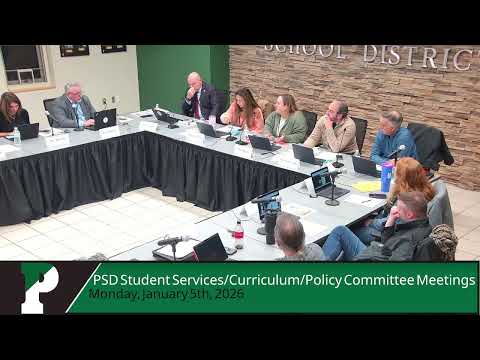
Pennridge SD curriculum staff outline six-year review and short-term goals for reading and math
Summary
District curriculum staff told the committee they will implement a 2026–2032 curriculum review cycle and three short‑term instructional priorities (standards-aligned instruction, consistent academic language, intentional routines) to boost PSSA/Keystone readiness, with coaching and common assessments supporting K–12 alignment.
District curriculum staff presented a plan to systematically review all subject-area curricula over a six‑year cycle while pushing immediate short‑term work in reading and math.
A district curriculum administrator told the Pennridge School District Curriculum Committee the review cycle will run from 2026 to 2032 and that any curricular changes or new courses will be brought to the committee and then to the board for a vote. To move student performance on state assessments, staff said they are focusing on three short-term priorities: standards‑aligned instruction, consistent use of academic language, and intentional instructional routines supported by instructional coaches.
School-based coaches and specialists outlined classroom strategies. For K–2, the district reported explicit phonics instruction, use of decodable texts, weekly grade‑level data meetings and classroom‑based coaching that included 16 coaching cycles between October and November. For grades 3–8, staff described prioritizing eligible standards and building supplemental units and common classroom assessments aligned to PSSA sample items. Coaches said these steps create a coherent progression from elementary through middle school and prepare students for state exams.
Instructional coaches also described regular benchmark cycles and student conferences in grades 6–10, monthly teacher analysis meetings and LinkIt‑aligned assessments intended to surface gaps and guide instructional adjustment. Staff told the committee they will return in March with a midyear data presentation that reflects the winter benchmark results.
The administrators framed the combined approach as a dual strategy: implement a long-term curriculum review while using targeted, short-term instructional design and coaching to improve outcomes for students currently in classrooms.