Get Full Government Meeting Transcripts, Videos, & Alerts Forever!
Get email alerts on the Literacy Intervention topic
No spam. Unsubscribe anytime.
RSU 40 faculty warn of high‑school reading gaps; call for testing pathway and targeted intervention
Summary
English department staff told the learning committee that many students arrive in grade 9 with persistent reading deficits and recommended a testing pathway, targeted assessments and at least one dedicated intervention teacher to close gaps over time.
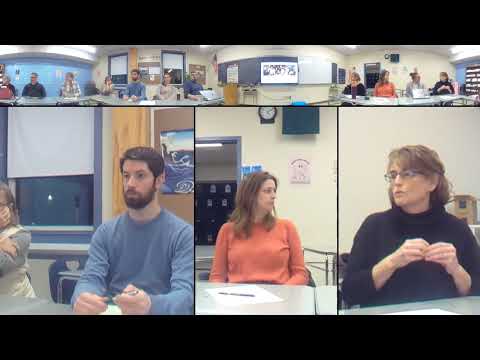
Members of RSU 40’s English department told the district learning committee that the district lacks consistent, evidence‑based interventions for high‑school students who continue to struggle with reading.
Amber Russo, an English teacher working toward a doctorate in literacy, summarized classroom practice and the department’s recommendations. “Literacy is everywhere,” Russo said, adding that instruction currently relies on differentiated guided reading, scaffolded writing and vocabulary practice but that attendance and behavioral needs make sustained progress difficult. She noted short texts and online reading habits are changing students’ endurance for longer, novel‑length reading and recommended including visual literacy and alternative performance‑based assessments so students can demonstrate comprehension without depending solely on extended text.
Heather Ferriero, academic coordinator of the English department and a Spanish teacher, said language classes reinforce reading skills by teaching students to use cognates and context to decode unfamiliar words. Both presenters told the committee they want a clearer testing pathway so the district can identify the students who need targeted interventions. They described a proposed flow from universal screening (NWEA) to targeted assessments — including dyslexia screens — that would direct the lowest‑performing students into evidence‑based remediation.
Staff and board members pressed on how to resource that work. One unidentified speaker urged a full‑time intervention teacher and specific diagnostic tools to allow staff to match remediation to a student’s precise needs. Another unidentified attendee cited national figures — “36 percent of kids go to high school nationally not able to read at the right grade level” — to stress the urgency of investment.
Speakers described previous district work on a literacy pathway that was not completed and said funding decisions left the high school without specialized assessments and staff. One presenter said prior investments did not reach the high‑school level and left teachers “hanging.” The committee discussed budgeting, professional development and the need for teacher collaboration time to interpret assessment data and change instruction.
The committee did not adopt any formal budget or staffing change at the meeting; presenters asked for continued committee engagement, follow‑up on assessment options and conversations about reallocating resources to support diagnostic testing and a dedicated intervention position. The learning committee then moved on to other agenda items.