
GAO tells House panel Coast Guard readiness constrained by maintenance, staffing and delayed cutter programs
Get AI-powered insights, summaries, and transcripts
Subscribe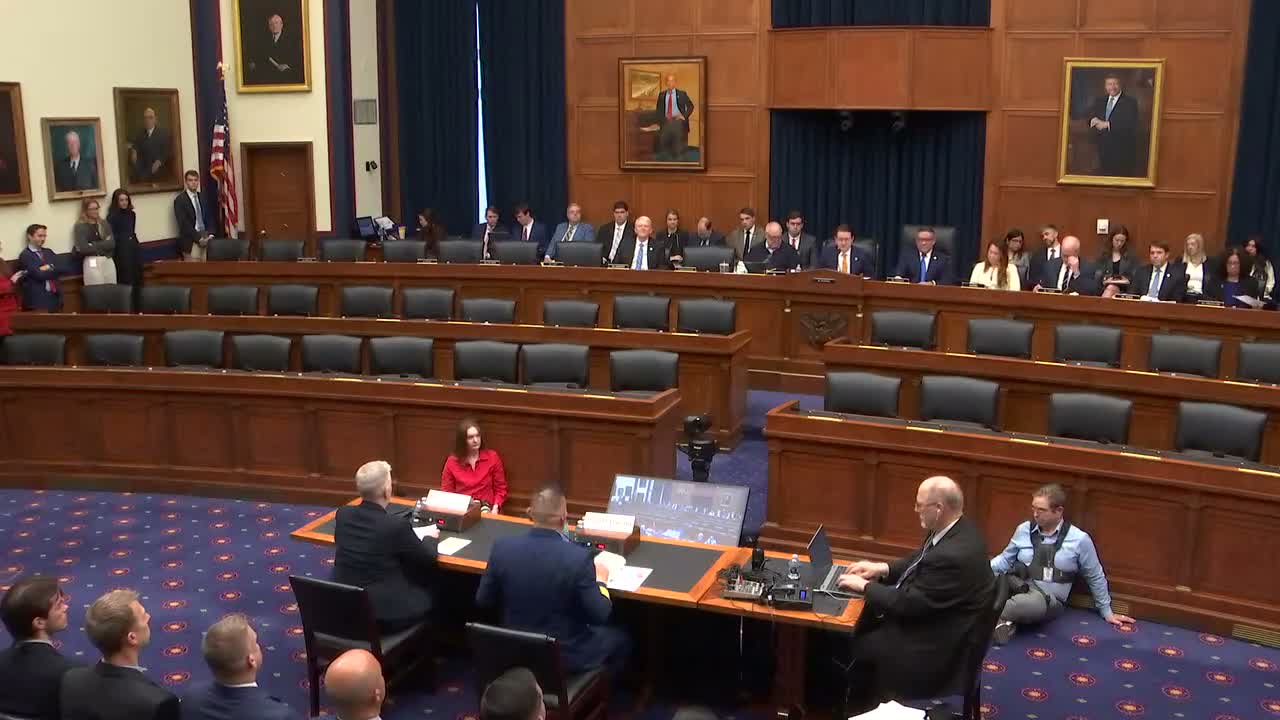
Summary
GAO Director Heather McLeod told the House subcommittee that cutter and aircraft availability has declined, acquisition programs are over budget and behind schedule, and workforce shortages and parts obsolescence hinder mission performance; GAO made recommendations to improve data, maintenance reporting and program management.
Heather McLeod, director of justice and homeland security programs at the Government Accountability Office, testified that long-standing maintenance, acquisition and workforce issues limit the Coast Guard's ability to meet mission demands.
McLeod told the subcommittee GAO found declining availability of the cutters used for law enforcement and that rising maintenance costs and obsolescent parts are compounding the problem. "The availability of the cutters that the coast guard relies on for its law enforcement missions declined," she said, and noted that a set of recommendations was made to address cutter readiness and maintenance workforce gaps.
GAO also flagged acquisition program delays. McLeod said the offshore patrol cutter and polar security cutter programs "are billions of dollars over their initial cost estimates and years behind schedule," and recommended that lessons learned be applied to future programs funded through the recent reconciliation package.
On workforce, McLeod said the Coast Guard has struggled to meet enlisted workforce targets despite recent recruiting gains and cited open GAO recommendations to improve retention planning and to provide clear performance data that would enable trade-off decisions during surge operations.
Committee members raised maintenance capacity in the ship-repair industrial base, pointing to a contested selection process at Mare Island dry dock for work on the icebreaker Healy; McLeod told the committee GAO identified fragmented maintenance reporting systems and recommended a coherent approach to identify and prioritize maintenance needs by cutter class.
GAO and members asked the Coast Guard for follow-up on how new funding will be executed, what plans exist to return personnel and platforms to previously retrenched stations, and how the service will measure the effects of surge deployments on other missions. The subcommittee left the record open for 15 days for additional materials and follow-up responses.