Get Full Government Meeting Transcripts, Videos, & Alerts Forever!
Get email alerts on the Housing topic
No spam. Unsubscribe anytime.
Council debates short‑term rental rules, compliance software and pilot approach
Summary
A council committee recommended a pilot STR program supported by compliance software (Granicus) and owner‑occupancy limits in some areas; councilmembers debated enforcement capacity, neighborhood equity, and whether to limit STRs on arterials or by neighborhood caps.
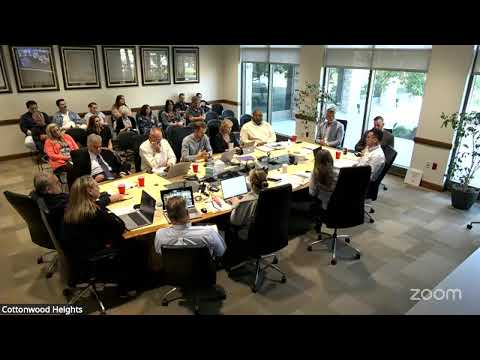
Councilmember Hyland and staff asked the city council for policy direction on short‑term rentals (STRs) after the committee reported it had reached an impasse awaiting council guidance.
The committee recommended a cautious, evidence‑driven approach: use compliance software (presented by vendors such as Granicus/Deckard) to identify unlicensed listings, offer a compliance grace period and pilot licensing tied to geographic neighborhoods. Hyland said the software can flag listings, track nights rented, and assist with licensing, inspections and automated notices.
Council debate focused on competing goals: preserving housing affordability and neighborhood character; allowing property owners to supplement income; and avoiding a large, resource‑intensive enforcement burden. Several members endorsed a pilot limited to a percentage of housing stock or to owner‑occupied units in specified areas; others warned limiting STRs on arterials could unintentionally harm renters who rely on transit.
Council referenced approaches used by nearby cities: Sandy’s neighborhood‑allocation system, a 182‑night cap and owner‑occupancy verification using tax returns; Brigham/Cochran examples were cited as models for compliance. Members agreed to return the matter to the committee with clearer policy options, enforcement resource estimates and proposed geographic limits for a pilot program.