Get Full Government Meeting Transcripts, Videos, & Alerts Forever!
Get email alerts on the Waste Recycling topic
No spam. Unsubscribe anytime.
Wasatch Front Waste & Recycling defends rate increase as diversion improves
Summary
Wasatch Front Waste & Recycling told the Cottonwood Heights council a Jan. 1 rate increase to $26 per household was driven by a roughly 40% rise in district costs; the agency also reported improved diversion and cleaner recycling, citing new operational savings and education efforts.
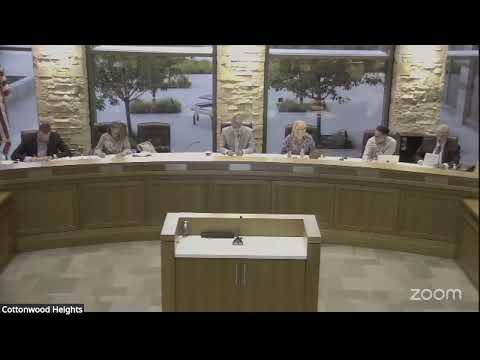
Wasatch Front Waste & Recycling presented to the Cottonwood Heights City Council on July 15, explaining a large fee increase implemented Jan. 1 and pointing to operational steps intended to reduce future increases.
Pam Roberts, executive director, said the district raised residential fees to $26 per home per month after a prior $2.50 increase that moved the rate to $19.50; the latest change represented a $6.50 monthly increase (about 33%) meant to cover a roughly 40% rise in district costs over four years. “We normally raise rates every three to four years,” Roberts said, adding that a combination of rising costs and earlier decisions delayed the increase until this year.
Roberts described cost-saving measures the district has pursued: switching purchases from compressed natural gas (CNG) garbage trucks to diesel models to save about $50,000 per vehicle (roughly $400,000 across the current replacement cycle), reducing staff through a small reduction-in-force and introducing technology-driven route verification to eliminate unnecessary repeat pickups. The “go-back” program uses truck dashcams to verify missed cans; the district reported about $47,000 in savings so far and set a $150,000 savings goal.
James Kelsey, sustainability coordinator, presented diversion and recycling-quality data. Cottonwood Heights’ diversion rate was 21% in 2024 and was at 22% year-to-date in 2025. In 2024 the city generated about 12,000 tons of refuse and 2,061.76 tons of recycling; glass recycling totaled 156.07 tons for the year, representing a significant share of district glass tonnage. Kelsey said the city’s clean-recycle rate improved from about 70.07% in 2021 to 83.09% in 2024 and attributed that trend to targeted education, route audits and driver reporting.
Kelsey described the sample-sort process used to measure contamination and composition and highlighted common contaminants—green waste during seasonal peaks, flimsy plastics (shopping bags), Styrofoam and food-soiled containers. He said those contaminants increase material-processing costs at the material recovery facility and stressed the role of community education and school outreach. “We’ve been pushing education efforts and driver participation,” Kelsey said.
Roberts and Kelsey also outlined program results: a trial early-bird seasonal container reservation delivered 953 containers from roughly 1,400 requests and collected about 770 tons during the service window. Roberts reiterated that customer service, trailer rental programs and centralized glass drop-off at the Whitmore Library are included in the district’s service level.
Roberts will retire Sept. 30; she thanked the council and staff and said the board is pursuing additional operational efficiencies to reduce the need for near-term rate increases.
Next steps: the district will continue education and sampling efforts, monitor commodity pricing and pursue the identified cost-savings measures; city residents should see continued outreach at community events including Butlerville Days.