Get Full Government Meeting Transcripts, Videos, & Alerts Forever!
Get email alerts on the Code Enforcement topic
No spam. Unsubscribe anytime.
Council debates civil code enforcement, sees hybrid approach and software pilot as first step
Summary
Staff outlined civil administrative enforcement (administrative citations and ALJs) as a complement to criminal prosecution. Council members said fines collection and resource needs are the main obstacles and asked staff to pilot software and revisit whether a civil process is warranted.
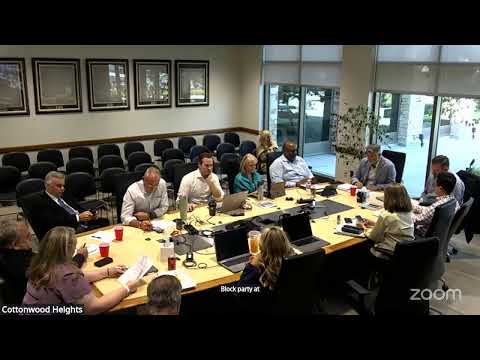
City staff briefed the Concord Heights City Council on civil code enforcement options at the Sept. 2 work session, describing administrative citations and hearings before an administrative law judge (ALJ) as tools cities use to secure compliance without criminal prosecution.
"The end goal is really compliance," a staff member said, outlining models other cities have adopted that combine civil fines, notices and the option to prosecute criminally for repeat or severe violators.
Why it matters: Councilors heard that civil enforcement typically uses a lower burden of proof (preponderance of evidence) and offers administrative flexibility (reduced or waived fines for compliance) but presents practical challenges: how to collect unpaid fines and the upfront cost of establishing an administrative process or contracting ALJs.
Council response: Members discussed a hybrid approach that keeps criminal prosecution available for the worst offenders while using civil administrative tools for nuisance or property maintenance compliance. Several councilors urged piloting better software and case‑tracking before creating a separate civil enforcement structure.
Next steps: Staff agreed to monitor outcomes from new permitting and tracking software and return with data showing whether improved tracking and automated notices reduce violations before bringing ordinance changes or an ALJ proposal to the council.