Council debates whether to add telecom/franchise tax as staff cites $120K–$150K revenue estimate
Loading...
Summary
Finance staff briefed council on implementing a telecommunications/franchise tax (possible July 1 start) and estimated annual revenue in the $120,000–$150,000 range; council members were split — some urged adopting the tax to bolster reserves and fund critical needs, others cautioned about impacts on lower-income residents and called for transparent resident engagement.
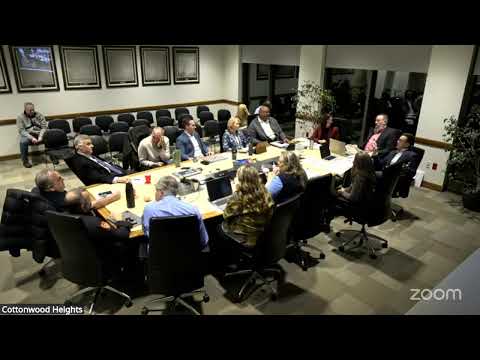
Finance staff briefed the council on a proposed telecommunications/franchise tax during the Jan. 6 work session, noting the city is the only Salt Lake County municipality not currently charging such a tax. Staff outlined the implementation timeline — adoption would need to be completed in time to inform the State Tax Commission and vendors, with an earliest effective date of July 1 if adopted and coordinated properly — and estimated revenue in the range of $120,000 to $150,000 annually based on distributions observed in comparable cities.
Council members engaged in a broad budget and policy discussion. Supporters said the revenue would help shore up reserves, cover one-time needs such as cybersecurity and server upgrades mentioned elsewhere in staff reports, and ensure the city can match grants that require reserve capacity. Opponents raised equity concerns, noting franchise or fee increases are felt unevenly and can be burdensome for residents on fixed incomes; they urged caution and suggested council members should also look for internal cuts before adding new taxes.
Staff reiterated the need to coordinate adoption timing with the State Tax Commission (so vendors can implement the change) and that most cities apply a full rate rather than a partial rate. No formal motion was taken in the work session; council signaled that taxation and budget priorities will be a focus of the year and that resident engagement and clearer cost/benefit framing would be needed before a final decision.
The work session discussion also touched on broader fiscal strategy: council members asked that the issues be part of retreat and budget discussions, and several suggested surveying residents on priorities and illustrating trade-offs before asking voters or making a budget amendment.