
East Penn SD presents winter 2025 assessment results; board questions persistent eighth-grade math decline
Get AI-powered insights, summaries, and transcripts
Subscribe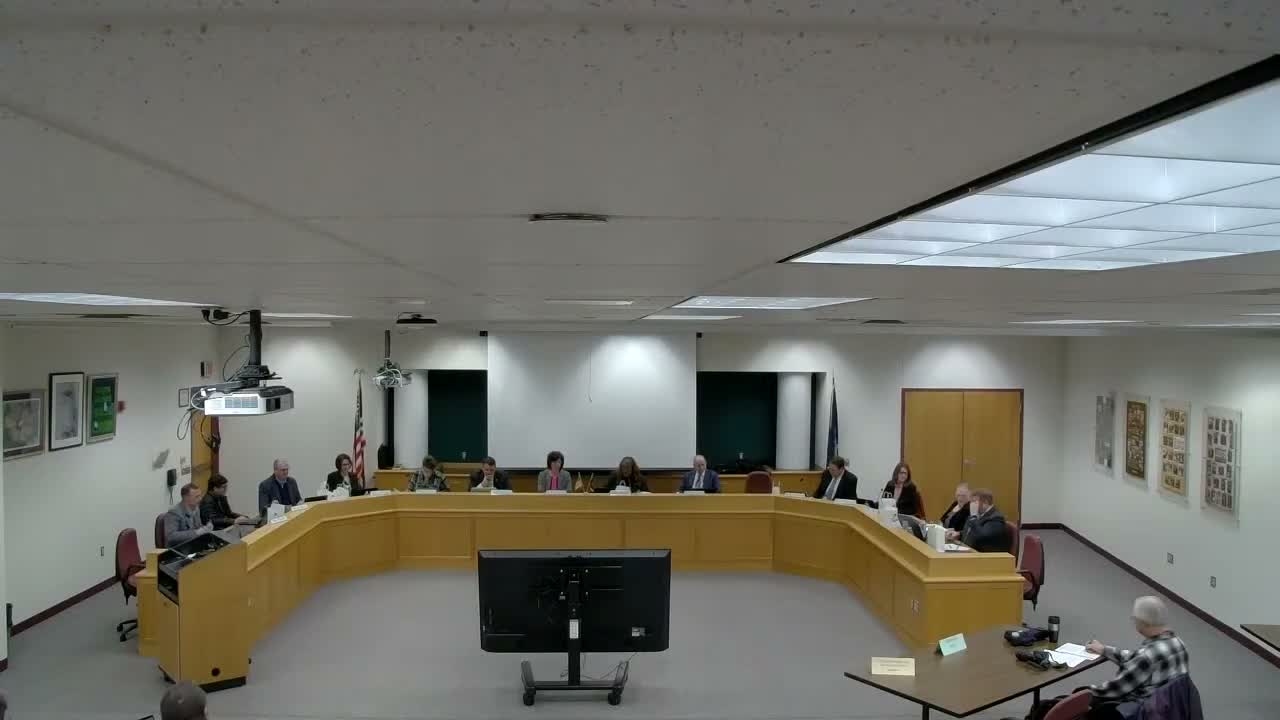
Summary
District officials presented Future Ready Index and PBAS (value-added) data showing strong overall growth and building scores, but board members pressed for explanations and a plan after eighth-grade math scored in the 'well below' growth category for a second consecutive year.
At a regular meeting of the East Penn School District Board of School Directors, district leaders on Monday presented winter 2025 assessment results showing overall positive growth across most grades but raising concern about eighth-grade math performance.
Dr. Campbell introduced the district’s Office of Teaching and Learning team and Mike Michalik, who walked trustees through the Pennsylvania Future Ready Index and PBAS (value-added) reports. Michalik said colors on the index compare each building’s performance to the state’s interim goals, noting that “red means that we did not meet that interim goal, green means that we met, and blue means that we exceeded” those interim targets, and that some schools can be above the statewide average while still appearing red relative to the state’s moving target.
Tricia Gutman described the Act 13 challenge multiplier used to adjust building scores for poverty so schools can be compared with demographically similar peers. Sarah Raber explained PBAS as a growth measure distinct from proficiency, and urged trustees to consider value-added results alongside proficiency data when evaluating progress.
Dr. Thatcher, who led the math review, said grades 4–7 showed strong growth while “the eighth grade is in the well below category for the second year in a row,” and outlined steps the district is taking: curricular calibration, targeted PLC work, summer and ongoing professional development, and tiered interventions. Mike Michalik added that Keystone results showed algebra moving from “meets” to “well above,” and that biology and literature remained well above expectations.
Board members pressed for more detailed cohort and subgroup data. Board member Doctor Perez requested three-year rolling/cohort figures to see whether the eighth-grade result is an anomaly or part of a longer trend; presenters agreed to pull cohort-level and subgroup (quintile) breakdowns for follow-up. Trustees also asked about diagnostic tools: Dr. Thatcher said the district will begin using i‑Ready’s new linking tool this year as an additional predictor and that the district uses multiple diagnostics and intervention programs (iReady for Tier 2, other programs for Tier 3) in concert with PLC work.
Several trustees asked whether social or socioeconomic factors might be affecting results. Michalik said those factors are discussed in PLCs and can be examined via subgroup data; the district will include such context in future analyses. Trustees requested a district-level math action plan later in the school year with measurable goals and a timeline for improvement.
The presentation and question-and-answer session concluded with district leaders saying they would return with more granular cohort and subgroup data and an outline of next steps for eighth-grade math.
The board adjourned the discussion and moved to other agenda business.