
Excelsior Springs board hears attendance shortfall, funding squeeze; district urges demographic study
Get AI-powered insights, summaries, and transcripts
Subscribe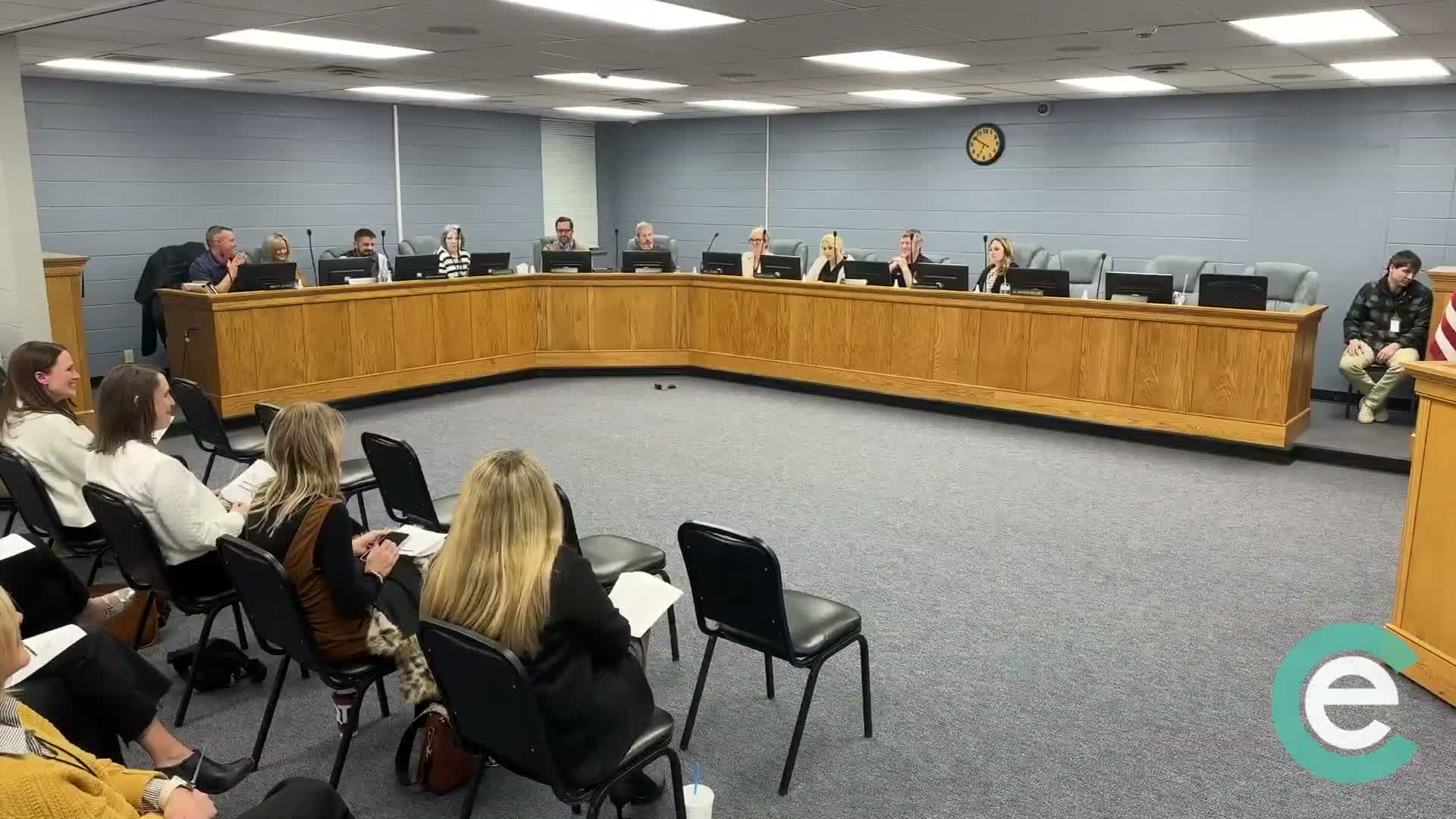
Summary
Superintendent told the board revenues lagged by roughly $700,000 in December because of reimbursement timing and state formula changes, and warned attendance metrics are reducing the district's funded student count by hundreds; board asked for more data and possible follow-ups.
At its regular meeting, the Excelsior Springs School Board received a detailed finance and attendance briefing that officials said could affect next year’s budget. The superintendent told the board revenues were down about $700,000 in late December — largely, he said, because reimbursements and state payments arrived later than expected — and that the district is roughly a quarter behind on certain title payments.
The superintendent described how state funding formulas and attendance measures interact with local budgets. "We have to plan based on enrollment," he said, "but we're funded on 90/90 and attendance measures, so only about 78 to 80 percent of our enrolled students are being counted for state funding in practice." He added the district’s average daily attendance is about 92 percent, while the 90/90 funding metric yields lower funded counts, leaving roughly 500 students “we're not being funded for.”
Board members pressed for context. One member noted nearby districts range from about 81 percent to 91.5 percent on comparative measures; the superintendent said the district sits in the lower third of its conference on some attendance measures. He recommended commissioning a formal demographic study to guide long-range facilities and staffing decisions after showing roughly an 820-student decline over about 20 years.
Officials warned that even small changes in attendance percentages affect dollars. The superintendent explained that marginal improvements (about 60 students, roughly 2–3 percent) could add an estimated $200,000–$400,000 in funding, a figure he used to illustrate trade-offs in budgeting discussions.
The board also heard a legislative preview from the Missouri School Boards Association that mentioned open enrollment, charter expansion, and tax policy as matters to watch; presenters said those proposals could materially affect future state funding.
The board did not take formal action on the finance or attendance items but directed staff to share additional reports and said it would monitor legislative developments. Next steps include the suggested demographic study and further attendance-tracking updates to the board.