Get Full Government Meeting Transcripts, Videos, & Alerts Forever!
Get email alerts on the Student Achievement topic
No spam. Unsubscribe anytime.
Students, National Honor Society and Lynwood principal outline tutoring, service and a school-forest practice profile
Summary
NHS students and advisers reported 48 active members and about 1,500 volunteer hours so far; Lynwood Elementary Principal Mattson presented the school's SIP, literacy/math goals tied to FastBridge, SEL work and practice profiles (morning meeting, number talks, school forest) used to measure instructional fidelity.
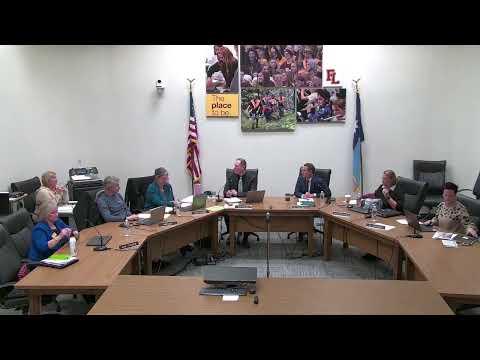
Students and school leaders presented student-achievement work to the board on Jan. 8. The National Honor Society advisers and officers described an expanded tutoring program and community service schedule: NHS reported 48 active members and about 1,500 volunteer hours in the first semester, a drop-in tutoring model on Wednesdays that averaged 4.3 tutors per session during the first 10 weeks, and induction and awards planned for May. "Currently, we have 48 active members, and we have volunteered already through just our first semester 1500 hours of service," an NHS adviser told the board.
Following the student presentation, Lynwood Elementary Principal Mattson described the school's improvement plan (SIP), including literacy and math targets. The literacy goal uses FastBridge projections; Mattson said the building is setting a target of 65% of students meeting their projected growth on FastBridge while emphasizing universal growth for all students. She outlined classroom strategies — priority standards, small-group instruction, "target time" and monthly fluency checks — and explained practice profiles, a staff-developed tool that defines what high-quality morning meetings and number talks should look like in classrooms and supports peer coaching and instructional rounds.
Principal Mattson also described social-emotional learning strategies focused on reducing students with three-or-more behavior referrals, mentoring programs, and how the school forest is used for hands-on learning. Board members asked logistical questions about forest visits, safety preparations (medication/inhaler forms, bee allergies), and whether other schools can use the school forest. Principal Mattson said staff and principals are exploring cross-school access.
What this means: Students' volunteer and tutoring programs are expanding district supports for peers; Lynwood is continuing implementation of research-based instructional practices and measurement strategies aimed at monitoring individual growth and improving outcomes across grade levels.