Lawmakers propose time-limited grants for predictive suicide models with guardrails
January 14, 2026 | Veterans Affairs: House Committee, Standing Committees - House & Senate, Congressional Hearings Compilation, Legislative, Federal
This article was created by AI summarizing key points discussed. AI makes mistakes, so for full details and context, please refer to the video of the full meeting. Please report any errors so we can fix them. Report an error »
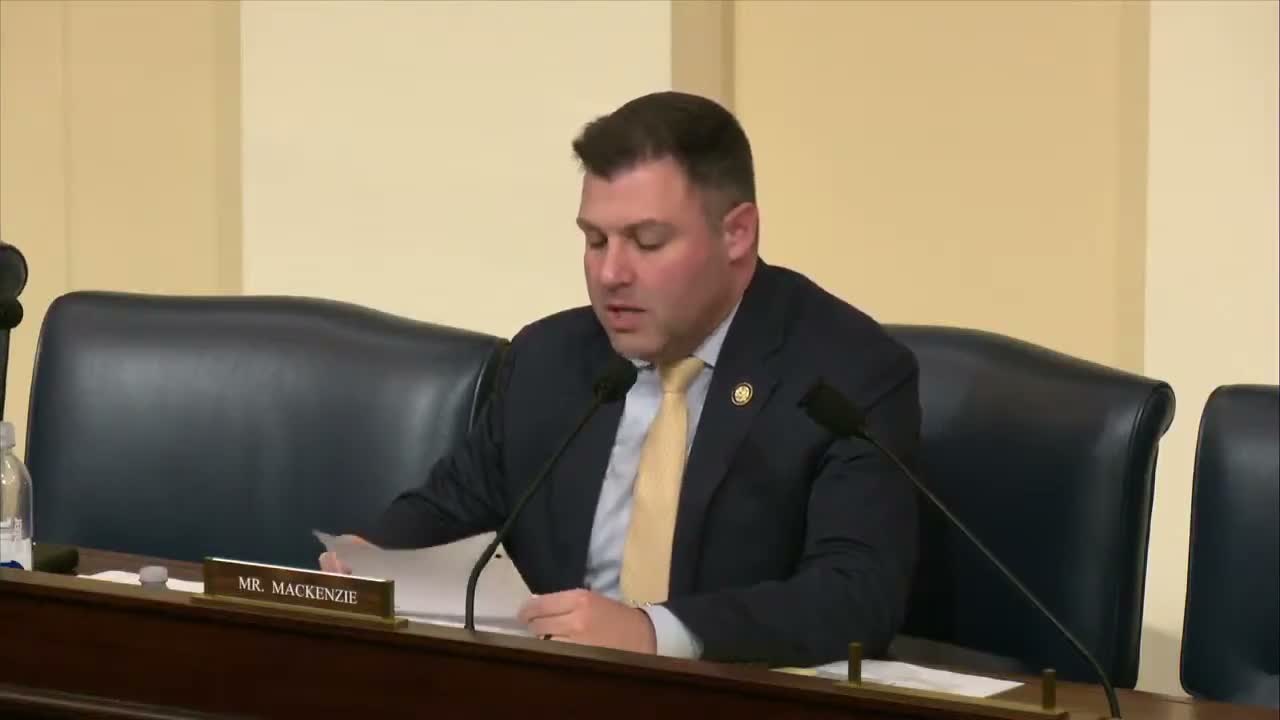
Representative McKenzie described the Data Driven Suicide Prevention and Outreach Act to establish a time-limited competitive grant program supporting the development of predictive models to identify suicide risk earlier by integrating benefits data, service records and clinical information.
McKenzie emphasized that grants would be limited to organizations with demonstrated expertise in health-care AI, data security and clinical deployment, and that models must be explainable, interoperable, clinically actionable, and comply with VA cybersecurity standards. He said the intention is to "empower decision makers" and not create a "black box algorithm."
VA witnesses acknowledged the potential for predictive analytics to help flag veterans at elevated risk but said the technology carries real risks that require guardrails. APA and other witnesses reiterated that any pilot must prioritize explainability, outcome measurement, clinician integration and data security, and must not replace clinician judgment.
Members pressed witnesses on how models would be evaluated, what data sources would be allowed, and how findings would be shared with VA. The subcommittee requested follow-up on statutory questions and emphasized that any program must include transparency, privacy protections and clinician oversight before deployment.
McKenzie emphasized that grants would be limited to organizations with demonstrated expertise in health-care AI, data security and clinical deployment, and that models must be explainable, interoperable, clinically actionable, and comply with VA cybersecurity standards. He said the intention is to "empower decision makers" and not create a "black box algorithm."
VA witnesses acknowledged the potential for predictive analytics to help flag veterans at elevated risk but said the technology carries real risks that require guardrails. APA and other witnesses reiterated that any pilot must prioritize explainability, outcome measurement, clinician integration and data security, and must not replace clinician judgment.
Members pressed witnesses on how models would be evaluated, what data sources would be allowed, and how findings would be shared with VA. The subcommittee requested follow-up on statutory questions and emphasized that any program must include transparency, privacy protections and clinician oversight before deployment.
Don't Miss a Word: See the Full Meeting!
Go beyond summaries. Unlock every video, transcript, and key insight with a Founder Membership.
✓
Get instant access to full meeting videos
✓
Search and clip any phrase from complete transcripts
✓
Receive AI-powered summaries & custom alerts
✓
Enjoy lifetime, unrestricted access to government data
30-day money-back guarantee
