Eugene committee weighs state-led ALPR regulation and local control
Loading...
Summary
Councilors and staff debated whether a state-level automatic license plate reader (ALPR) policy would preempt local decisions and whether the city should wait for state outcomes or pursue concurrent local policy work.
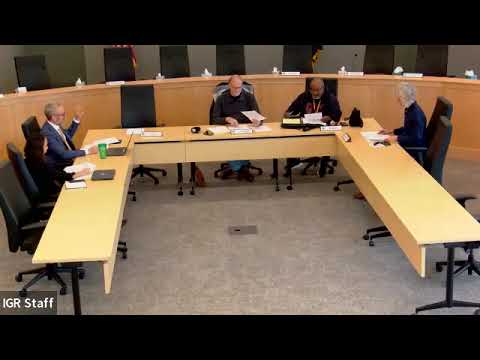
City staff briefed the Intergovernmental Relations Committee on Jan. 7 about ongoing state work to craft regulations for automatic license plate readers (ALPRs) and the implications for local policy. Senator Pruzanski is convening a Senate Judiciary work group and the state’s proposal—said to focus on procurement, data storage and sharing—may produce procurement and technical guidance that local governments would adopt or adapt.
Ethan Nelson said early indications show the governor’s package will apply fast-track permitting to state agencies and that the ALPR effort currently centers on procurement standards for contracting and data protection; he said staff will monitor whether the state policy is permissive (allowing local opt-in or component adoption) or preemptive. Councilors asked whether state action would preclude a local policy discussion; Nelson said the city’s established policy is to oppose state preemption and to evaluate bill language for permissive options that preserve local decision-making.
Councilors cited past local experience with ALPR contracting and noted that local learning—about contracting, data ownership and operational use—could be useful to share with other cities and the legislature. Chief Skinner (Eugene Police Department) has been involved in state conversations, Nelson said, and the Police Commission received a briefing on the officer-identified benefits and concerns. Staff flagged that the city’s paused contract with Flock Safety remains a separate local procurement decision and that state guidance could shape procurement standards and data protections.
Committee members agreed staff should time local work to avoid being preempted and suggested adjusting council work-session timing if state conversations require it. The city attorney’s office and police staff will continue to brief council and commissions and are prepared to provide training or guidance to elected officials if communications or ethics rules change at the state level.