
Superintendent outlines equity goals, culturally responsive instruction and restorative-practices rollout
Get AI-powered insights, summaries, and transcripts
Subscribe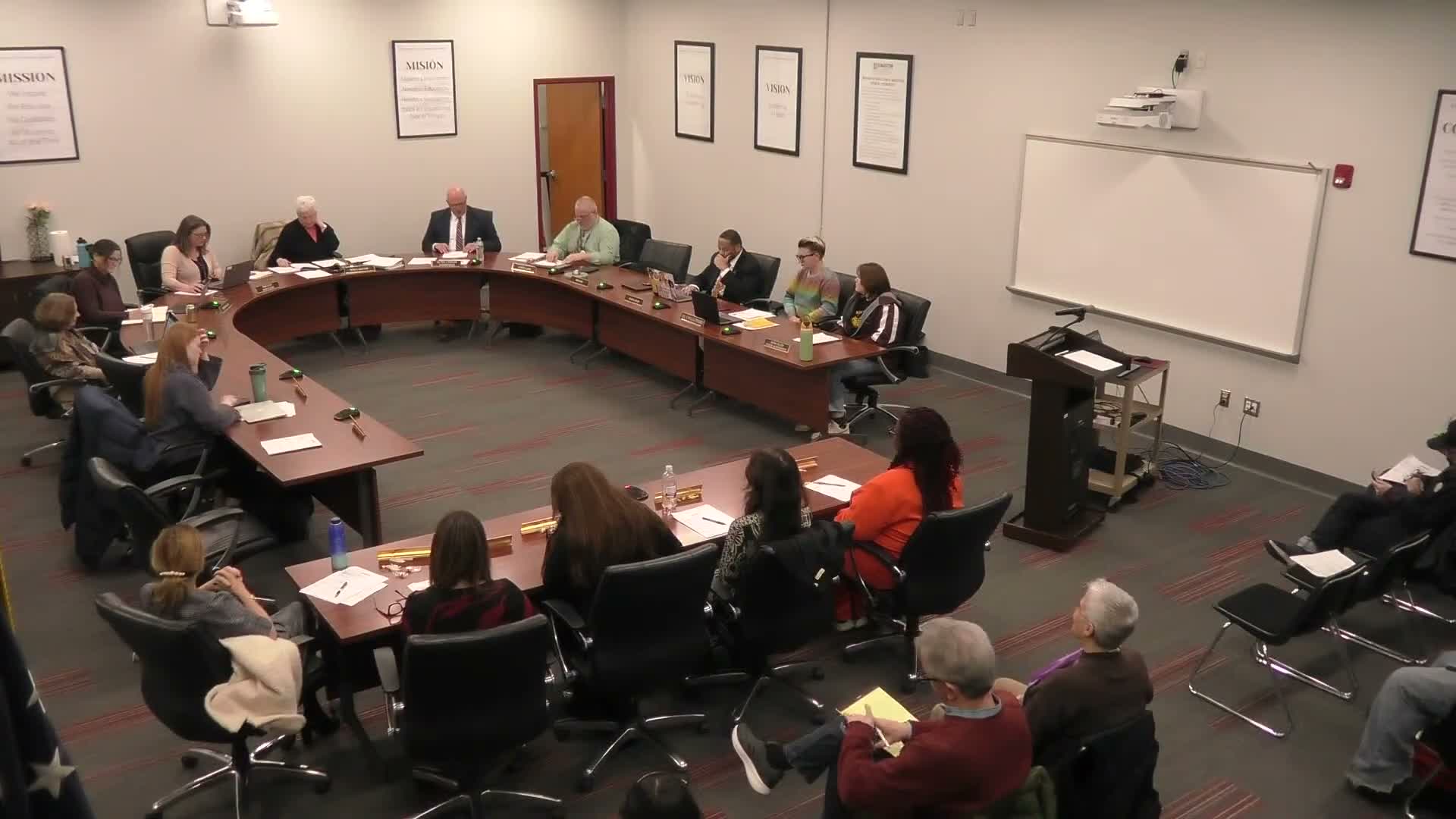
Summary
Superintendent presented two equity goals from recent staff cohorts—ensure access to rigorous, culturally responsive instruction and replace exclusionary discipline with restorative practices—and described teacher professional learning, curriculum choices and free state coaching to support a multi-year restorative rollout.
The Kingston City School District superintendent outlined the district's equity-focused roadmap, saying recent cohort work produced two guiding goals: guarantee rigorous, grade-level instruction with culturally responsive supports and replace exclusionary discipline with restorative and inclusive approaches.
The superintendent described curricular tools in use—CKLA, iReady and WinBlox—and said teams are aligning rigor with culturally responsive practices identified in the state's Culturally Responsive and Sustaining Education (CRSE) framework. He cited teacher-led selection of pilot sites and recounted sending three cohorts of staff to Montgomery in 2024–25 as part of perspective-shifting professional learning.
On discipline and school climate, the superintendent said the district launched an 8-person restorative-practices leadership team through New York State Education and the Community Dispute Resolution Center; that team will complete an action plan and become eligible for state coaching sessions. "We're building out solid work that's already happening in several schools and we're bringing the whole district... to become a restorative community," he said.
Trustees asked how schools were selected for pilots and how third-party programs like iReady were vetted for CRSE alignment. The superintendent said selection was largely teacher-driven and described use of a culturally responsive scorecard to evaluate materials; he also reported teacher-release time for professional learning and plans to collect feedback after each session.
Why it matters: District curriculum and discipline approaches shape classroom practices and students' daily experiences. The superintendent framed restorative practices as a multi-year systems change that would include an action plan, state coaching and iterative communications with staff and families. No formal policy change or board vote on restorative implementation was taken at the meeting.