
Tampa council forwards package of charter questions on city attorney powers, staffing and debt to review commission
Get AI-powered insights, summaries, and transcripts
Subscribe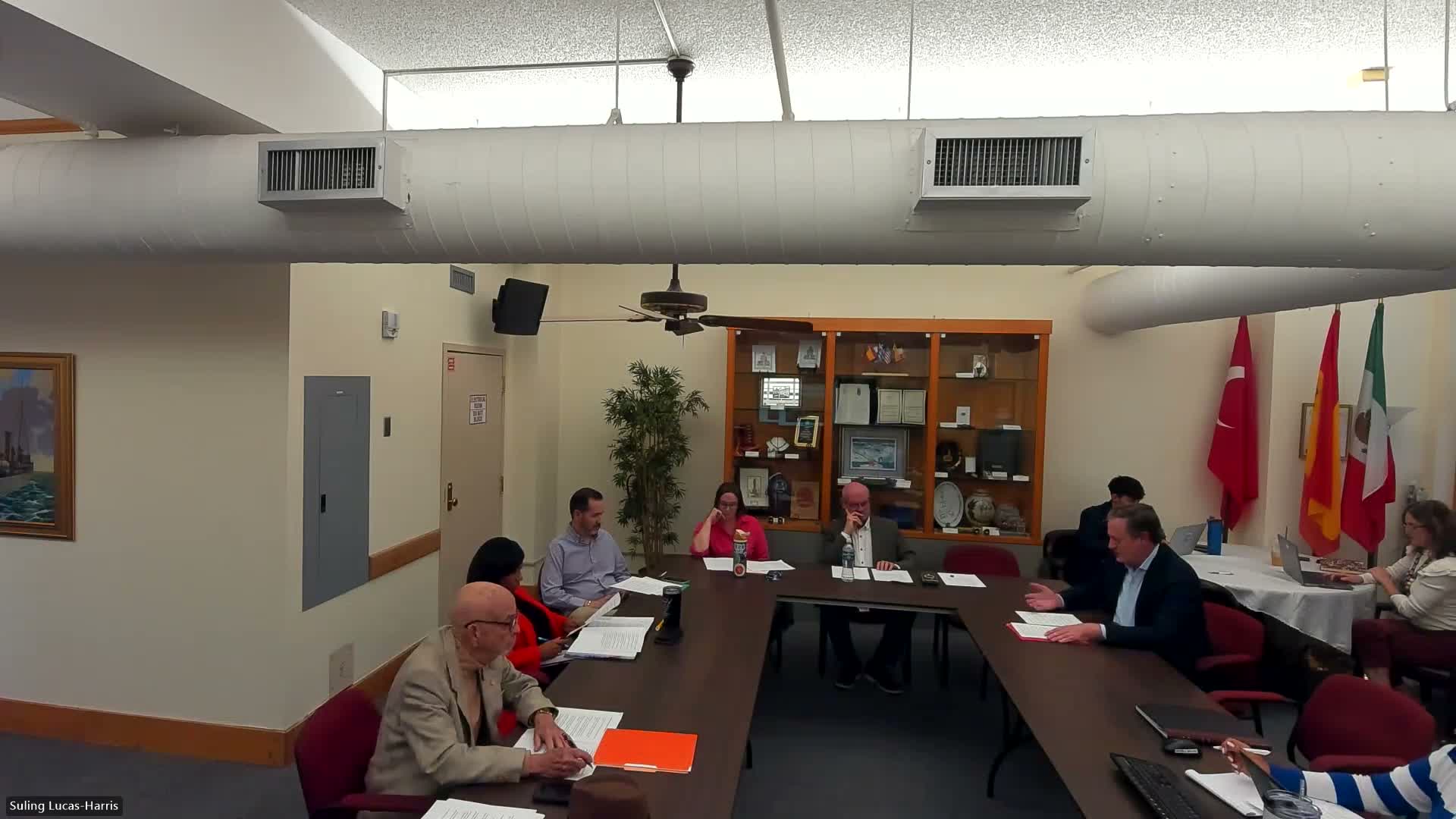
Summary
Council members agreed to transmit a set of proposed questions and possible charter changes to the Charter Review Commission, asking it to study city attorney roles and conflicts, council hiring authority, debt/vote thresholds, contract-modification powers and mayor-council dispute resolution. Public comment raised candidate residency and CRA reporting concerns.
Tampa City Council met in a workshop to compile topics for the Charter Review Commission and agreed to transmit a package of proposed questions for the commission to deliberate. The chair opened the meeting by saying the session was intended to "present ideas of the council's ideas or group ideas to the Charter Review Commission members for consideration and deliberation" and stressed the commission is free to add new items.
Councilman Carlson, who circulated a 12-point list of questions in advance, asked the commission to prioritize substantive issues and leave scrivener edits to city staff. Members focused much of the discussion on clarifying the city attorney's role: whether the charter should more precisely define who the city attorney—ounts as a client (mayor, council or both), provide formal guidance on conflicts of interest and recusal, and permit the council's attorney to hire outside counsel or investigators for legislative matters.
The council debated other items Carlson proposed: whether council should be able to hire limited legislative staff or policy analysts, whether council should have a standalone vote to approve significant debt or bonds above a set threshold, and whether council should have authority to modify contracts presented for approval rather than only approving or denying them. Members did not settle on final wording but generally agreed these are commission-level questions.
Several members also urged creation of a dispute-resolution mechanism to resolve conflicts between the mayor and council without immediate recourse to courts. As Carlson framed it, an arbitration-style process could produce a legal decision rather than a political standoff.
The meeting recorded moments of strong disagreement about potential shifts in executive authority. One attendee warned, "If all this goes to effect, the mayor would be a puppet to the council," and other members responded that the questions on the table are intended to provoke commission debate, not to enact immediate changes.
Clerk and staff said they would work with Carlson and other members to refine the language on items to transmit; the clerk confirmed that Carlson's items 1 through 11 would be sent to the Charter Review Commission for deliberation and that a final list would be redistributed to council before transmission.
The workshop concluded with public comments that included calls for a one-year residency requirement to run for city office and requests that CRA staff report to the council rather than the mayor. The chair closed the meeting after confirming logistics for commission members and next steps.
The Charter Review Commission will receive the transmitted questions and public input; council members said they expect the commission to deliberate, accept public testimony, and return recommendations for council and, if approved, for potential placement on the ballot.