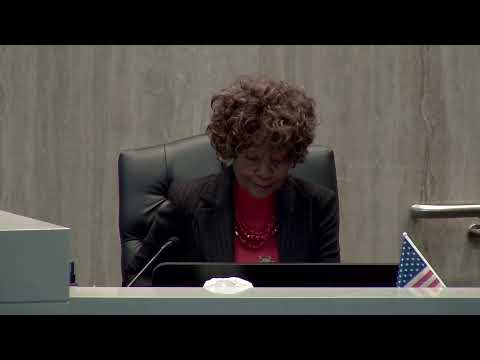
Denton County signs 287(g) task force MOU with ICE; sheriff says program carries no county cost
Loading...
Summary
The Denton County Commissioners Court unanimously approved a 287(g) task force memorandum of agreement with ICE on Jan. 13 after Sheriff Murphree described selected-officer training, federal reimbursement for duties and compliance with a recent state law requiring sheriff participation in one 287(g) model.
The Denton County Commissioners Court on Jan. 13 approved a memorandum of agreement under the federal 287(g) framework between U.S. Immigration and Customs Enforcement (ICE) and the Denton County Sheriff's Office.
Sheriff Murphree told the court the task force model differs from the jail model the county participates in; under the task force model, selected officers will be trained by ICE to detain and arrest when needed and to assist ICE operations. He said the program is "at no cost to the county," noting ICE handles training and processing and that officers begin to be paid by the federal government when they begin handling certain cases.
Murphree said he met with ICE leadership and expects the county to "be in full participation" in February. He referenced a recent state law he said requires sheriffs to participate in one of three 287(g) models and characterized the court's approval as going above the minimum requirement.
Several commissioners expressed support but acknowledged operational strains. One commissioner warned participation can put pressure on the sheriff’s staffing levels and asked the sheriff to report back if additional resources are needed. The sheriff replied he would step away if proper conduct could not be ensured and committed to oversight.
The court moved to approve the task force MOA on a motion (mover and seconder recorded in the minutes) and recorded unanimous vocal assent. Later in the meeting, the judge reopened questions about how the partnership works with cities; the sheriff clarified that cities are approached but participation varies and that the program may require coordination with municipal agencies.
The record shows approval occurred with vocal unanimous consent but does not include a roll-call vote or a numerical tally in the transcript. The court also approved, separately, the purchase of a single duty weapon by a retiring deputy during the same agenda sequence.