Get Full Government Meeting Transcripts, Videos, & Alerts Forever!
Get email alerts on the Education Budget Short Session topic
No spam. Unsubscribe anytime.
Local lawmakers, COSA tell Tigard‑Tualatin board a fast 2026 short session will put pressure on school funding
Summary
At a Tigard‑Tualatin School District work session, COSA and local legislators warned that Oregon's 35‑day short session and federal changes have tightened the budget picture; they urged board members to meet legislators and support using reserves to protect student-facing programs.
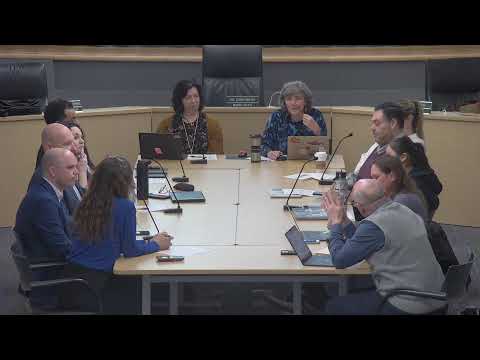
Tigard‑Tualatin School District board members met in a work session to discuss 2026 legislative priorities as state and local education advocates warned that the upcoming short legislative session will be fast and financially constrained.
Morgan Allen, deputy executive director at the Coalition of Oregon School Administrators, told the board the short session functions like "a sprint," with tight chamber deadlines and limited bill slots, and urged members to develop relationships with the legislators who represent their district. "The deadlines come very quickly," Allen said, emphasizing the need for early coalition-building and frequent contact with lawmakers.
Why it matters: Lawmakers and advocates said district budgets and classroom services could be affected if state leaders must choose between cuts, new revenue or tapping reserve funds. Allen estimated a rough general‑fund shortfall in the ballpark of $600,000,000 and noted continued uncertainty from federal actions that will filter down to schools.
State Senator Courtney Naira Mislan and Representative Ben Bowman, both representing district interests, said the state is in a "cuts budget cycle" and described steps agencies are taking to plan for reductions. Mislan noted the Education Stability Fund and the state rainy‑day fund as tools available to the legislature and emphasized the difficulty of securing the three‑fifths supermajority required to tap those reserves.
Lawmakers and COSA urged board members to advocate directly for student‑serving programs and to attend a joint lobby day with COSA and the Oregon School Boards Association. "It really makes a difference when people come talk to us or reach out to our offices saying, here's my lived experience," Mislan said, inviting district stories and data to support budget requests.
What lawmakers and COSA flagged: Allen and legislators highlighted several finance and program details board members should watch and, if appropriate, press to protect:
- Short session mechanics: 35 calendar days; first official day February 2, adjournment by March 9; rapid committee deadlines. - Revenue and reserves: Allen cited a December forecast uptick but estimated a possible ~$600 million general fund shortfall; he said the Education Stability Fund was projected to be about $1.25 billion and the state rainy‑day fund about $2.15 billion at the close of the biennium, with statutory and supermajority constraints on their use. - Student Success Act and corporate activity tax: officials said the tax that funds the Student Success Act was tracking positive but down from prior forecasts and that the Student Success Act reserve is roughly $65–70 million. - PERS and long‑term fiscal pressures: lawmakers said rising PERS costs and structural revenue limitations complicate long‑range planning.
Bills to watch: Both legislators previewed bills they expected to carry or track in the short session that would be relevant to school boards, including school‑meals‑for‑all proposals, an ICE‑notification policy for campuses, codifying McKinney‑Vento protections for students experiencing housing instability and other items Allen had flagged as education priorities. Representative Bowman said some lawmakers will push bills to address immediate funding and implementation issues.
Next steps: Board members were encouraged to review the district's draft legislative priorities, share stories and data with legislative offices and participate in the scheduled lobby day. The work session ended with an invitation from lawmakers to contact their offices for additional materials and follow‑up.