Get Full Government Meeting Transcripts, Videos, & Alerts Forever!
Get email alerts on the Commemoration topic
No spam. Unsubscribe anytime.
Carmel marks Martin Luther King Jr. Day with speeches, music and community reflections
Summary
Carmel’s 2026 Martin Luther King Jr. Day commemoration featured remarks from Ashar Madani of the mayor’s advisory commission and Mayor Sue Finkham, music and a staged reading recalling civil-rights history and urging ongoing community service.
Carmel held its 2026 Martin Luther King Jr. Day commemoration on Jan. 15 with speeches, musical performances and community reflections that highlighted Dr. King’s emphasis on service and the city’s effort to keep that legacy alive. Ashar Madani, of the City of Carmel Mayor’s Advisory Commission on Human Relations, opened the program and introduced Mayor Sue Finkham, who urged residents to move beyond remembrance and toward action.
Madani told attendees the commission aims to celebrate “the invaluable contributions of the citizen of all races and ancestries” and thanked city leaders for supporting the observance. Mayor Sue Finkham framed the holiday as both a time of reflection and a call to serve, quoting King’s challenge: “Life’s persistent and most urgent question ... is what are you doing for others?”
The program included a musical national anthem led by Lily Hirschfeld and a series of performances and readings. Vocalist and actor Aliyah Blackburn delivered narrative segments about King’s life, noting his birth on 01/15/1929 and describing his leadership in nonviolent movements such as the Montgomery bus boycott. Performers also staged a cafe scene and sang pieces that recalled the Green Book, Jim Crow–era travel restrictions and the collective acts of care and resilience that sustained the civil-rights movement.
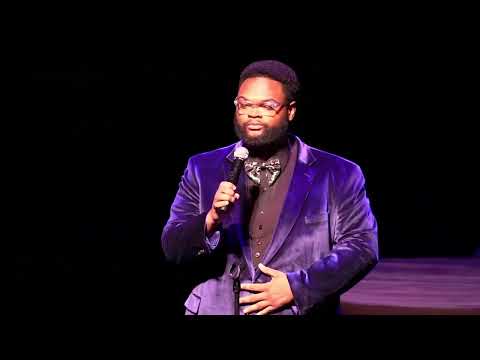
A guest speaker, Pavel, described King’s influence beyond the United States and urged Carmel to honor the dream through “unity, honoring diversity, and seeing one another with love.” The event closed with acknowledgments to performers, organizers and the City of Carmel.
Organizers emphasized ceremony over policy: there were no votes, motions or formal actions during the program. The commemoration focused on memory, education and encouraging community service rather than local-government decisions.
The most recent factual development from the evening is that the City of Carmel hosted and supported the event, which concluded with musical performances and closing remarks from hosts; there were no formal agenda items or follow-up motions announced at the program’s close.