Get Full Government Meeting Transcripts, Videos, & Alerts Forever!
Get email alerts on the Committee Structure topic
No spam. Unsubscribe anytime.
Mental Health Board debates moving to committee-of-the-whole, staff warn of scheduling burdens
Summary
Board members discussed replacing four standing committees with a committee-of-the-whole and using smaller ad hoc task groups for deep work; staff cautioned that cancelling previously scheduled committee meetings creates substantial back-end noticing work, and attorney David McArdle explained quorum and open-meetings implications.
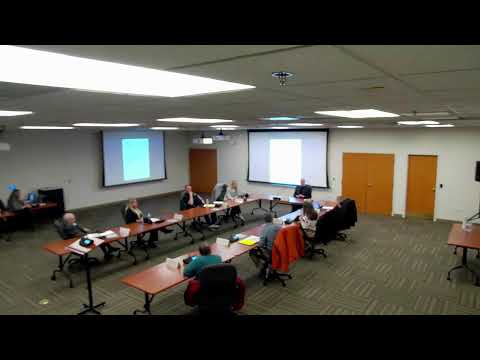
At the special meeting the McHenry County Mental Health Board discussed restructuring its committee system. Board members outlined a proposal to replace the existing standing committees (finance, audit and compliance, bylaws, building and grounds) with a committee-of-the-whole model that would convene quarterly for in-depth discussion without voting, while smaller ad hoc working groups would handle technical or data-heavy topics.
Board attorney David McArdle explained the efficiencies of a committee-of-the-whole, saying such working meetings can "be much more efficient" because the substantive discussion happens outside the formal voting meeting. He also cautioned about open-meetings rules and quorum mechanics: with nine members a three-person working group likely would not trigger quorum requirements, but larger groups could create compliance obligations.
Staff raised operational concerns about logistics: a staff member noted that the 2026 committee meetings are already scheduled and noticed and that cancelling or rescheduling them imposes a substantial administrative burden for posting and rescinding notices. That staff input led several members to propose a trial period: keep standing committees on the calendar while piloting committee-of-the-whole sessions and using ad hoc task groups as needed, then revisit the matter at the next regular meeting (the 27th).
Members expressed differing priorities. One board member argued smaller committees let members "go deep" on technical topics such as bylaws or building-and-grounds work; others favored fewer meetings and broader participation. Several participants suggested adopting a hybrid approach (quarterly whole-board working sessions plus smaller, targeted task groups) and agreed to place the item on the next regular meeting agenda for possible formal action.
The transcript shows no formal vote on committee structure at this special meeting; the discussion was preparatory and the board agreed to consider action at the next regular meeting. Staff and the chair identified specific follow-ups: keep existing committee notices in place until a firm change is approved, pilot committee-of-the-whole meetings, and prepare scheduling details and potential dates for review.