Get Full Government Meeting Transcripts, Videos, & Alerts Forever!
Get email alerts on the Comprehensive Plan topic
No spam. Unsubscribe anytime.
Committee adopts updated county comprehensive plan; members flag transportation and resource conflicts
Summary
The committee voted to adopt the McHenry County comprehensive plan (2050 context) after discussion about transportation references (Route 53, Huntley/Amtrak) and competing goals between gravel extraction and protection of sensitive aquifer recharge areas (SARA).
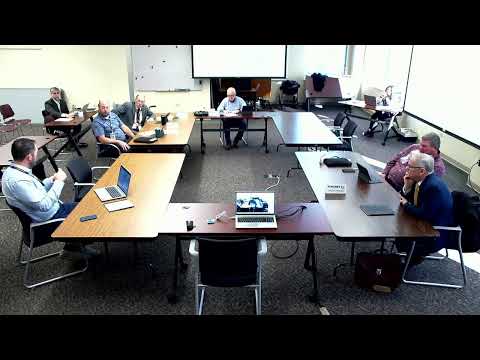
The Planning, Environment and Development Committee on Jan. 12 adopted a resolution to formally adopt the McHenry County comprehensive plan (the 2015 plan with 2050 context) after committee discussion about several edits and policy tensions.
Committee action and vote: Jim moved to adopt the resolution (seconded by Carl); after discussion the chair called roll and committee members recorded affirmative votes, advancing the adopted plan to the county board for formal adoption at the next board meeting.
What the debate focused on: Members raised questions about transportation references—several asked whether mentions of a ‘Northern bypass’ or a potential Huntley Amtrak stop should remain specific in the county plan. Adam, a county planning official, said the plan will be informed by the county transportation plan and recommended generalizing some references (for example, removing town-specific language and referencing ‘McHenry County’ broadly) and capturing minor word changes in comment buckets for the final adopted text.
Natural-resource tensions: A recurring point of discussion was how the plan treats sand-and-gravel extraction versus protection of SARA (sensitive aquifer recharge areas). Committee members urged the county board to treat future gravel pit applications and aquifer protections on a case-by-case basis rather than predetermining outcomes in the plan. Adam said the plan states both positions and that local decisions should be made with site-specific data.
Next steps: Staff will incorporate suggested wording edits and produce a final adopted version for the county board. The committee’s favorable vote advances the plan to the next procedural stage.