Chatham schools propose new electives: photography, AI literacy, theater and middle‑school data course
Loading...
Summary
Chatham High School presenters proposed several new semester electives — photography, media courses for special‑education students, AI literacy, theater and a philosophy elective — while Chatham Middle School proposed 'Speak Up Part 2' and a middle‑school data‑science course; board discussion focused on scheduling and enrollment thresholds.
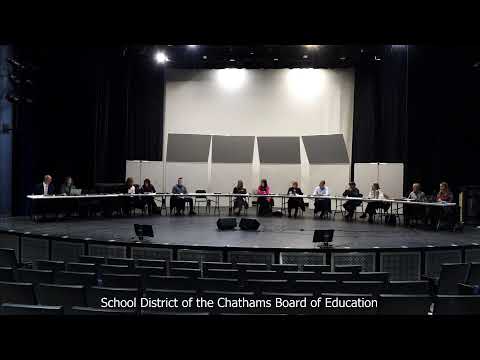
Presenters at the School District of the Chathams Board of Education meeting outlined several proposed additions to the 2026–27 program of studies at both the high school and middle school.
At Chatham High School, the district proposed a general photography course (covering lighting, composition and digital editing) and "Explorations in Media," a semester offering aimed at students in self‑contained special‑education programs that would include TV and video production. The high school also proposed an "Artificial Intelligence Literacy in Society" elective to examine how AI is used, what datasets it relies on, ethical considerations and environmental impacts; that course would be a semester elective with no prerequisites. The theater department proposed an explorations course in theater arts for special‑education students, and the social studies department proposed a philosophy elective titled "Life, Logic and the Pursuit of Wisdom," a 2.5‑credit semester course open to grades 10–12.
Chatham Middle School principal Aaron Alamo proposed two related‑arts additions: "Speak Up Part 2" (a grade‑8 public‑speaking continuation of the required grade‑7 course) and "Decoding Data: Finding Solutions for Change," an introductory, age‑appropriate data‑science course in which students design surveys, clean and visualize data and produce a culminating project that addresses a real‑world problem.
Board members asked how the district will add courses without displacing existing offerings and how enrollment thresholds will be managed. Presenters said schedules are built based on student interest and course requests; courses that do not reach sufficient requests may not run in a given year but remain in the program of studies for future offering.
The proposals were presented for board consideration; curriculum items listed on the agenda were later approved by vote as part of the meeting’s consent actions.