
Board adopts hybrid bell schedule at Clark County High School; middle-school decision tabled
Get AI-powered insights, summaries, and transcripts
Sign Up Free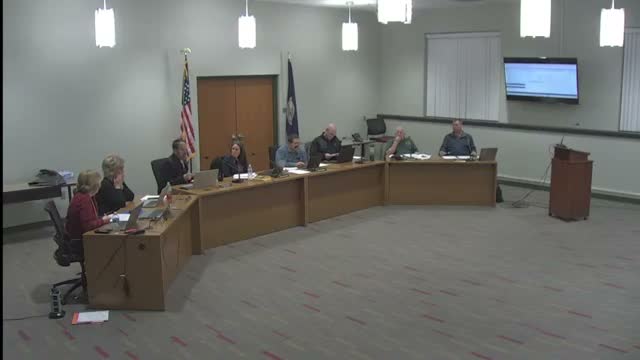
Summary
After presentations from both principals and staff surveys showing divergent preferences, the Clark County School Board voted to adopt a modified hybrid (AB/8‑period) schedule for the high school and tabled the Johnson Williams Middle School decision to allow additional staff work on advisory-program concerns.
The Clark County School Board voted Jan. 12 to adopt a hybrid scheduling model for Clark County High School and to postpone a final decision for Johnson Williams Middle School while staff work to resolve operational conflicts.
The lede: Following a detailed presentation on schedule compliance and stakeholder surveys, the board voted to accept the superintendent’s recommended modified AB/hybrid schedule for the high school and tabled the middle-school decision to give middle‑school staff more time to preserve the advisory and PBIS programs they said would be disrupted by the hybrid model.
Why it matters: The vote affects course offerings, planning time for teachers, and staffing needs across the district. Superintendent Dr. Rick Bowling framed the choice within state code restrictions for secondary-classroom teacher loads and emphasized the need to balance teacher planning time with preserving students’ course opportunities.
What presenters said: High-school principal Miss Waring argued the hybrid model preserves course access and provides 90‑minute blocks on two days for labs and extended learning, which she said supports advanced programming and CTE partnerships. "...the 90 minutes for each day for the Wednesday and Thursday ... would provide an additional opportunity for labs, English, Socratic circles," she said. Middle-school principal Mister White countered that Johnson Williams’ advisory and PBIS structure — central to recent accreditation and benchmark gains — could not be sustained under the hybrid schedule without significant rework; White asked for more time to find a workable approach.
Board action and rationale: Board members weighed tradeoffs — the 7‑period day favored by middle-school staff would reduce the number of choices for high‑school students and add near‑term personnel costs, while a single districtwide model risks disrupting Johnson Williams’ advisory program. Several members proposed adopting the high‑school model now and tabling the middle‑school decision to avoid immediate disruption while staff finalize options.
The vote: A motion to accept the hybrid program for the high school and table the middle-school scheduling question passed on a voice vote. The superintendent and principals will work with staff to develop a middle‑school solution for the next meeting.
Next steps: Johnson Williams staff were given additional time to propose adjustments to retain advisory fidelity or identify staffing changes; the schedule decision for the middle school will return to the board for further consideration.