
Residents press mayors on Greenbelt safety, sidewalks and traffic amid rapid growth
Get AI-powered insights, summaries, and transcripts
Subscribe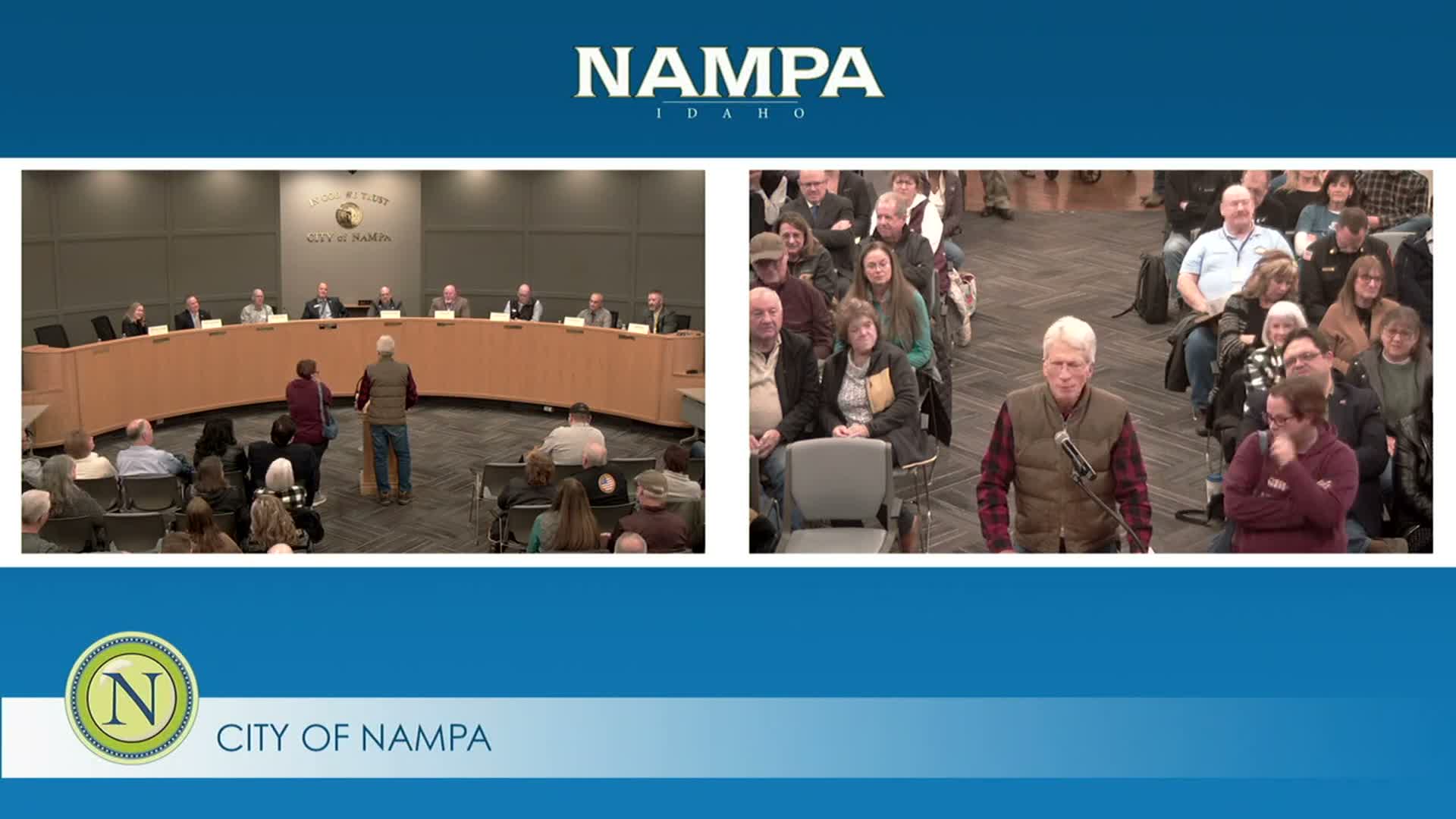
Summary
At a Treasure Valley Partnership town hall in Nampa, residents raised safety concerns about high‑speed e‑bikes on the Greenbelt, missing sidewalks and traffic congestion; mayors said regulation and enforcement are constrained by staffing and funding limits.
Residents used the town hall microphone to press regional mayors about pedestrian safety, micromobility and sidewalk gaps as development accelerates across the Treasure Valley.
A resident who asked to be identified as Bob raised a safety concern about motorized two‑wheelers on the Greenbelt and urged municipal action. Boise Mayor Lauren McLean acknowledged the problem and said Boise has reduced speeds on some corridors, contracted with a micromobility operator (Lime) and is considering additional regulations to limit where certain motorized devices can operate.
"If you set rules and you don't have the ability to enforce them because you can't fund police, then you can't actually achieve compliance," Chadwick said, summarizing the constraint echoed by other officials: regulation without enforcement is limited when staffing is constrained.
Speakers proposed local and legislative steps: local code changes to clarify what counts as motorized traffic on trails, coordinated signage and targeted enforcement where staffing permits, and conversations at the state level about vehicle classification to allow consistent rules across jurisdictions. Officials also said preserving continuous pedestrian networks during development requires stricter upfront requirements rather than expensive retrofits.
Several residents recounted personal experiences: one long‑time resident described how lack of sidewalks forced a family member who used a power chair onto a busy roadway, after which a fatality spurred limited sidewalk additions. City officials encouraged affected residents to bring specific site locations to local planning departments so staff can evaluate whether zoning, deferrals or variances played a role and whether targeted improvements are feasible.
Mayors emphasized collaboration among cities, counties and highway districts to avoid disjointed approvals that increase congestion and outpace school capacity and road improvements. The session concluded with offers from municipal staff to follow up offline and coordinate citizen input for policy and zoning reviews; no regulatory changes were adopted at the meeting.