
Residents urge Coatesville board to reject LERDA request for Brandywine View; board signals hesitation
Get AI-powered insights, summaries, and transcripts
Subscribe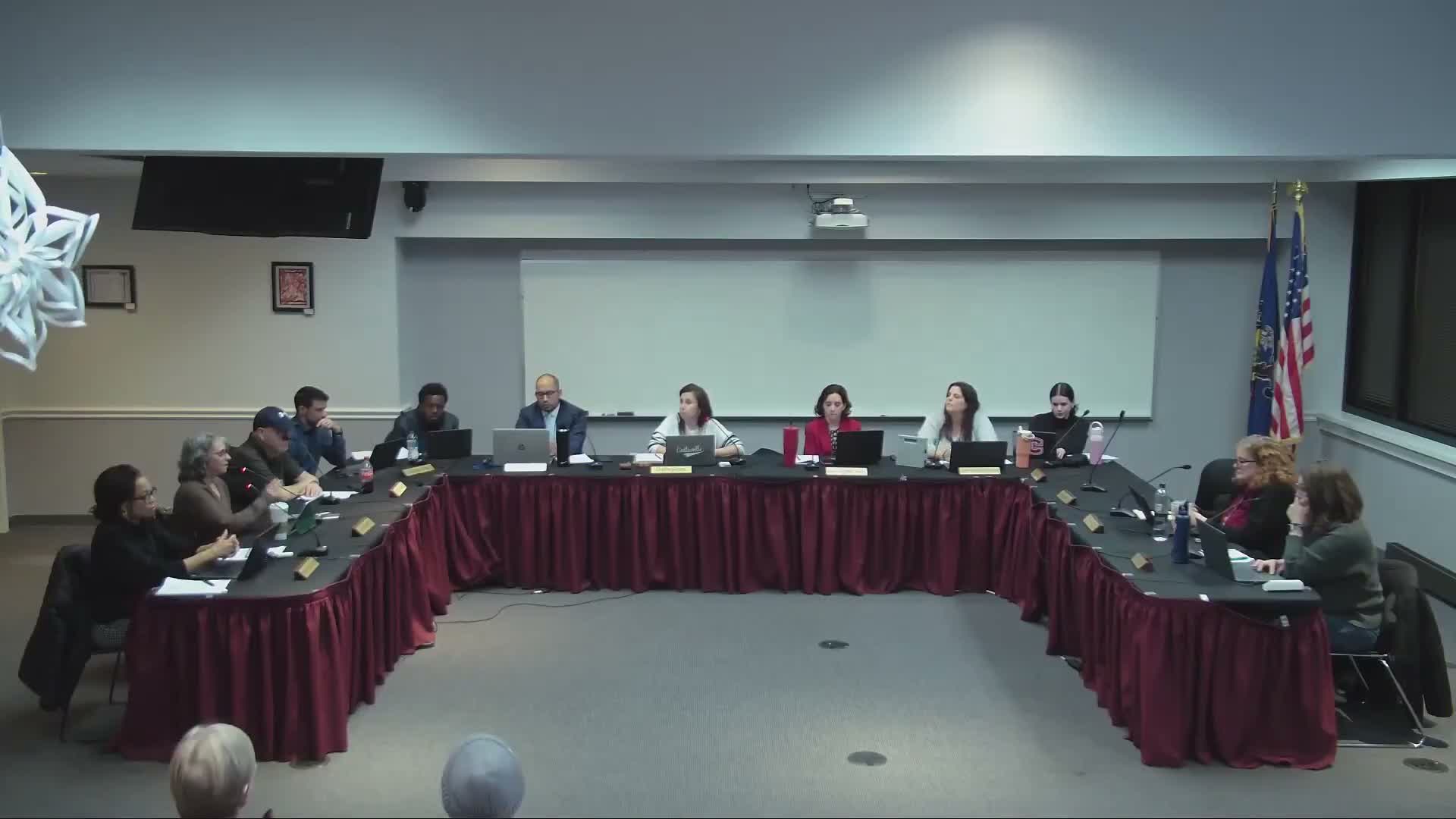
Summary
Residents from Hillview and nearby neighborhoods told the Coatesville Area School District Jan. 13 they oppose a proposed LERDA tax abatement for the Brandywine View development, citing projected short‑term net costs to the district, student‑generation estimates, traffic and stormwater concerns. Board members expressed reservations and the chair said she was unlikely to place the item on a future agenda.
Dozens of residents spoke during a lengthy public‑comment period Jan. 13 after the finance committee reopened old business on a proposed LERDA tax‑relief proposal tied to the Brandywine View development. Speakers repeatedly asked the district to reject the exemption, arguing the developer would receive the tax benefit while the district and existing taxpayers would shoulder the initial education costs.
Gordon Bassett of Hillview urged the board to deny the request, saying the developer’s own numbers projected net deficits for the district for the first several years. “I strongly urge you to reject that request,” Bassett said, pointing to a projection that the district would be net negative for the first four years and would not recover cumulative costs until year nine.
Other Hillview residents echoed concerns about traffic, stormwater runoff and the appropriateness of giving LERDA abatement to residential development. Several speakers questioned the developer’s student‑generation assumptions (the developer estimated about 68 students from the project) and expressed concern that the proposal did not appear to prioritize affordable housing for current Coatesville residents.
Board members raised similar reservations during the committee discussion. The chair said she had received significant public feedback opposing the plan and that, historically, LERDA has been used to incent commercial and blighted‑area redevelopment rather than market‑rate residential projects. One director noted the developer had told the board it could not economically develop the property without the abatement; another director said city and county governments may view the deal differently because they would benefit from tax inflows without bearing education costs.
Solicitor counsel clarified the board’s authority and limits: the LERDA exemption requires the approval of three entities (city, county and school board); without the school board’s approval the exemption cannot be granted, though the developer could still pursue development without the tax break. Based on the committee discussion and public input, the chair said she was unlikely to place the LERDA approval on a future board agenda.
Public commenters who addressed the board included Gordon Bassett, Thad Kirchgester (Kerch Gessner in the sign‑in), Paula Rhodes, James Sotelo, David Martin and several other Hillview neighbors. Their remarks centered on tax fairness, projections of district costs, and practical concerns such as bus access and stormwater on the proposed hilltop site.