Waupaca council approves transfer path for two transit vehicles amid debate over service and DOT rules
Loading...
Summary
Council discussed a countywide transit transition, debated leasing versus transferring city vehicles to Waupaca County, and rejected a motion to halt transfers until a finalized lease was produced; staff will pursue a memorandum of understanding to transfer two vehicles to the county to bolster wheelchair-accessible service.
Waupaca officials on Monday heard detailed updates on a county-led transition of local transit service and debated how the city should handle vehicles used for that service.
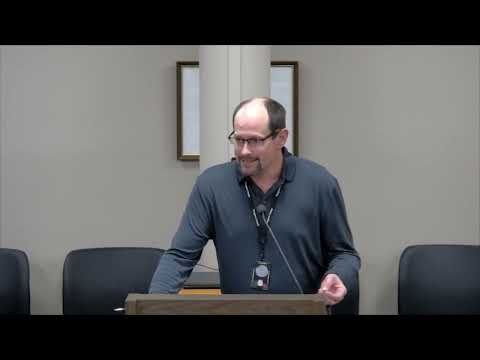
Ryan Brown, who presented the transit update, said Waupaca County is evolving a workforce transportation pilot into a countywide public transit service run by Phoenix Mobility Rising using the Via platform. Brown said the RFP anticipated “a minimum of 6 vehicles,” but the county currently has five vehicles running and is still building capacity. He warned the changeover has been rushed — “the typical transition is 2 months. And for us, we had 2 weeks to pull it all together” — and said it will take about a month to six weeks to reach the intended capacity.
Council members pressed Brown on operational details. Brown said the system currently requires about 24 hoursadvance booking with a 15-minute pickup window and is operating curb-to-curb; he said vehicles are wheelchair-equipped and drivers will assist riders into vehicles, but riders must reach the curb. "Right now, there's a 24 hour window that we have," Brown said, describing the answer-time framework.
The meeting then turned to whether the city should lease the vehicles to the county or transfer ownership. City Administrator Josh Finch told council staff had been working with the Department of Transportation and recommended pursuing a transfer/sale rather than a short-term lease because a transfer is cleaner and reduces city liability. Finch said staff could facilitate a memorandum of understanding (MOU) to transfer the title and release DOT liens so the county could put the vehicles into its fleet quickly.
Councilmember Henry Velicker argued for caution and moved that the city enter the lease as originally presented so the council could reassess after a trial period. After prolonged procedural discussion, Velicker instead moved that staff take no action until council received a finalized lease agreement; that motion was seconded and put to a roll-call vote, which failed 2in favor and 8against.
Opponents of the delay said the county has immediate needs for wheelchair-accessible vehicles and that transferring two vehicles quickly would help maintain service while the county scales up. Finch described the planned process: an MOU will go to the county for approval, the county will return a signed MOU, DOT liens will be released, and title and registration will transfer to the county so the vehicles can be prepped for service as soon as next week.
The debate also touched on Federal/State funding and DOT disposal rules attached to vehicles purchased with certain grants. Staff explained that DOT rules use either a manufactured-date or a mileage benchmark (four years or 100,000 miles) to determine whether a vehicle can be sold for fair market value or must be sold under a percentage-of-value rule; examples from staff included odometer readings of 163,000, 186,000 and 246,000 miles on some units. Council members requested clearer written terms that spell out liability, insurance and compensatory language should vehicles later require offsets.
The council did not approve any lease tonight. After the failed motion to delay, staff said they would proceed with the MOU/transfer path for two vehicles and continue working with DOT and the county to finalize the details.
Next steps: staff will prepare the MOU and return to council with final paperwork as required; the county expects to have the transferred vehicles prepped and integrated into its fleet within days to weeks depending on paperwork and preparation.