Dr. Ben Abbott: pollution, biodiversity loss, disrupted cycles and climate are top threats; 'conservation first' urged
Loading...
Summary
At an event focused on Utah Lake, Dr. Ben Abbott, global ecologist at Brigham Young University, said pollution and biodiversity loss pose the biggest threats to human health and ecosystems and urged a 'conservation first' approach before large-scale engineering projects.
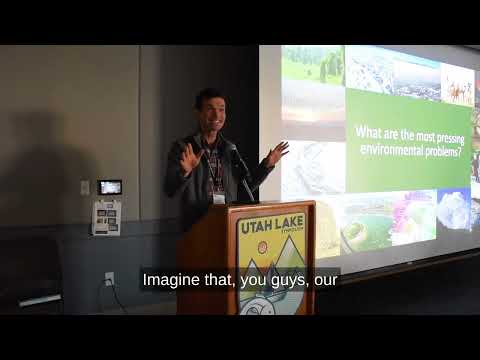
Dr. Ben Abbott, a global ecologist at Brigham Young University and executive director of Grow the Flow, told attendees at an event focused on Utah Lake that pollution, biodiversity loss, disruption of Earth’s cycles and climate change are the four most important environmental threats today.
Abbott opened his keynote by acknowledging decades of local work on Utah Lake and invited questions at the end of his talk. He said the environmental threats are interconnected and urged policymakers and stakeholders to adopt an ecological frame when weighing trade-offs. “Everything is connected to everything else,” he said, summarizing the linked nature of human and ecosystem wellbeing.
Why it matters: Abbott argued that pollution is not merely an environmental nuisance but a leading cause of premature death. “This is 15,000,000 premature deaths each year,” he said, linking polluted air, water and land to broad public-health impacts and urging that these harms guide priorities.
Abbott presented a four-part priority list: reduce human harm from environmental pollution; reverse the decline of wild populations and biodiversity; address disruptions to major Earth cycles (water, carbon, nitrogen, phosphorus and sediment); and confront climate change. He illustrated the connection between these priorities and everyday policy decisions, saying that major interventions should be sequenced so preventive, scalable measures come before reactive, high-risk fixes.
He framed the policy choice in ecological terms and offered what he called four laws of ecology to guide decisions — including the aphorism that “there ain’t no such thing as a free lunch” — and warned against overconfident reengineering of natural systems: “Nature knows best,” he said, urging humility when designing interventions.
Abbott also stressed the social dimension of environmental work, noting public cynicism can short-circuit collective action and that reconnecting communities to shared natural assets is essential to building support for effective policies.
The keynote concluded with an appeal for values-driven, community-led action. Abbott said he believes local stakeholders and coalitions can shift values and protections to give Utah Lake and related systems a better chance at recovery.