
Williamston superintendent and staff outline 2025 test results and targeted supports
Get AI-powered insights, summaries, and transcripts
Subscribe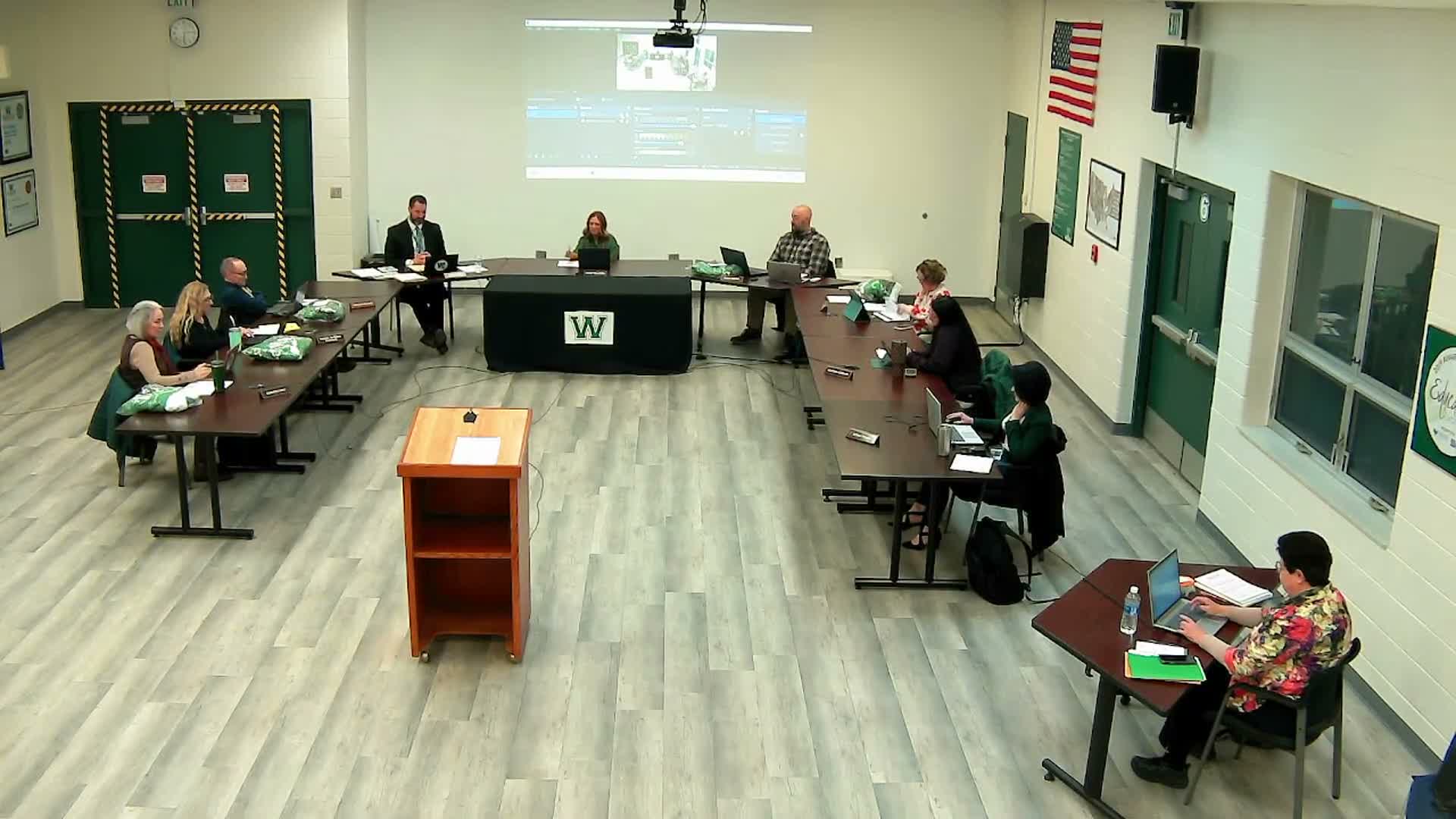
Summary
Doctor Cook presented 2025 M‑STEP and NWEA results, identifying declines in some subjects and pinpointing 36 fourth‑grade students (of 142) who were not proficient and had not met growth goals; the district described MTSS, alternative testing environments and tutoring to support those students.
Doctor Cook delivered a detailed presentation of the district’s 2025 assessment data, summarizing M‑STEP and NWEA trends and the instructional responses the district plans to deploy.
The presentation noted declines in several areas (drops of about 5–9% in specific subjects) alongside some cohort gains. For fourth grade the team identified 69 students who were partially proficient or not proficient on M‑STEP; 32 of those met their NWEA growth goal, leaving 37 students not proficient and not meeting growth goals; one student left the district, leaving 36 students (of 142 fourth‑grade students) the team flagged for intensified supports.
Doctor Cook and Superintendent Adam said that the district is using Multi‑Tiered Systems of Support (MTSS) structures, targeted interventions, progress monitoring, alternative testing locations, small‑group remediation, morning tutoring, math labs and other strategies to address individual needs. Presenters emphasized the district piloted a deeper grade‑level analysis this year (a fourth‑grade ELA deep dive and a seventh‑grade math analysis) to focus resources on students who did not meet growth targets.
Board members asked clarifying questions about charts and cohort counts; administrators said the NWEA growth measure enables more real‑time instructional adjustments than one‑time state tests and that building capacity (additional testing spaces at Explorer Elementary) will support accommodations and monitoring.
Next steps listed in the presentation include root‑cause analysis of declines, adjusting instruction and supports, ongoing monitoring of cohort trends and a follow‑up report at the Feb. 2 meeting on state scorecard summaries.