
District reports early gains after switch to 100% assessment grading; some students report increased stress
Summary
After changing fall grading for grades 8–12 to place weight on assessments, district staff reported a small, districtwide decline in students receiving one or more F's (1–3%) and increases in C/B/A distributions across most schools; board members and a student representative raised questions about retake policies and student stress.
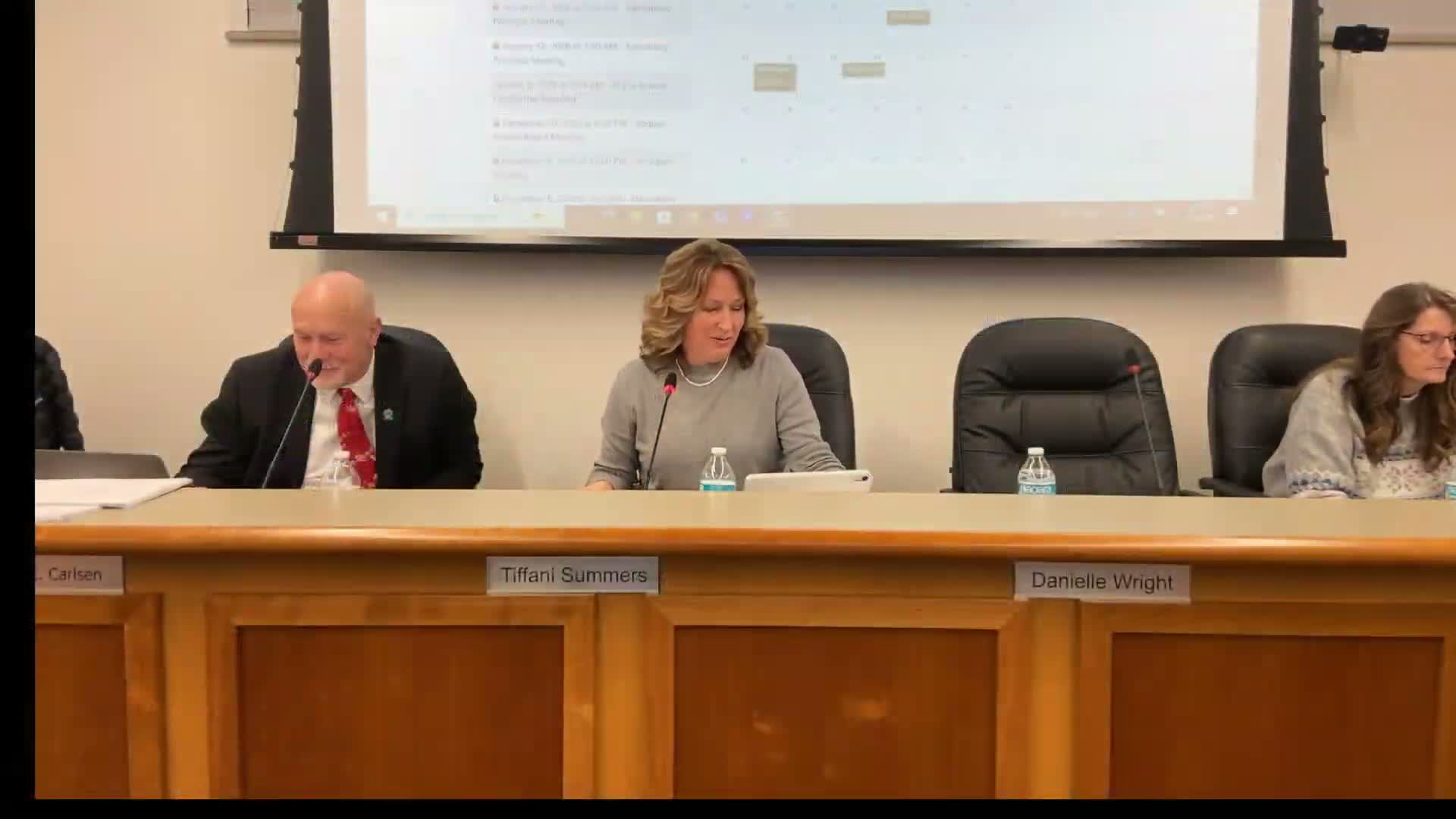
At the board meeting Keith Meekum presented first-trimester outcomes following a summer change to a 100% assessment grading model for grades eight through twelve. Meekum said district-level metrics show that all five secondary schools saw reductions in students receiving one or more F's (a decline of 1–3% overall) and that more students earned A's, B's and C's on first attempts across most grade bands and subgroups. "All 5 secondary schools...saw a reduction in students who received 1 or more f's by 1 to 3% overall," Meekum said.
The presentation included subgroup breakdowns (ELL, students with disabilities, economically disadvantaged, Spanish speakers). Meekum cautioned that the dataset reflects a snapshot and that some subgroups — such as students with disabilities — showed small increases in certain measures; staff plan ongoing monitoring and further analysis.
Board members asked whether the policy led to more teacher‑student intervention, retake practices and greater engagement. Meekum said teacher teams define retake eligibility and that increased one-on-one support has been reported anecdotally, with teachers spending time before and after school to support students. The student board member said some classmates view practice assignments as less consequential to grades and report cramming for assessments, creating stress around high-stakes assessment windows.
District leaders said they will continue to monitor outcomes and return additional data later in the school year, and that teams retain local discretion on retake requirements and practice-to-assessment pathways.

Create a free account
Unlock AI insights & topic search