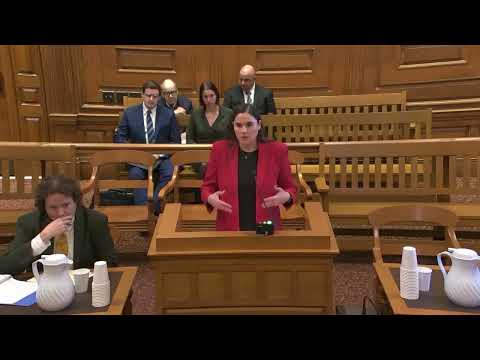
Court asked to decide whether employee exceeded authority when signing 36‑month radio contract in Dispatch v. Veterans Transportation
Loading...
Summary
Veterans Transportation argued its employee signed a 36‑month contract without authority and that the organization understood the deal as month‑to‑month; Dispatch argued the agent was designated, the contract expressly authorized signature, veterans paid without timely objection and the MBTA reimbursement arrangement ratified the charge.
In Dispatch Communications LLC v. Veterans Transportation LLC, the appeals panel focused on whether employee Hader had actual or apparent authority to sign a 36‑month service contract with Dispatch and whether Veterans ratified the agreement by paying for months of service and incorporating the charge into an MBTA reimbursement amendment.
Paul Kevin Flavin, representing Veterans, said the company's general-manager testimony limited Hader's signing authority to one-time purchases under $5,000 and not to long-term contracts. Flavin told the court Hader believed he was arranging a month-to-month service identical to a predecessor vendor (GLIS) and did not notice the small-print 36‑month term on the contract's reverse side.
Dispatch counsel Carol O'Leary replied that Hader was sent by Veterans for the exact purpose of obtaining the radio service; Dispatch's owner (Uncles) testified Hader was told it would be a three-year term at the same rate. O'Leary pointed to the signed pre-authorization block on the contract saying the signer was authorized and to Veterans' payments for multiple months with no contemporaneous objection. She also cited the MBTA contract amendment incorporating the specific monthly amount as evidence of ratification and reliance.
The panel probed both actual-authority limits and what facts a third party may reasonably rely upon to infer apparent authority, and questioned whether subsequent payments and MBTA reimbursement amendments equated to ratification. The court took the arguments under advisement.