
Appeals court reviews eviction and retaliation claims in SK Management v. Casalinova
Get AI-powered insights, summaries, and transcripts
Subscribe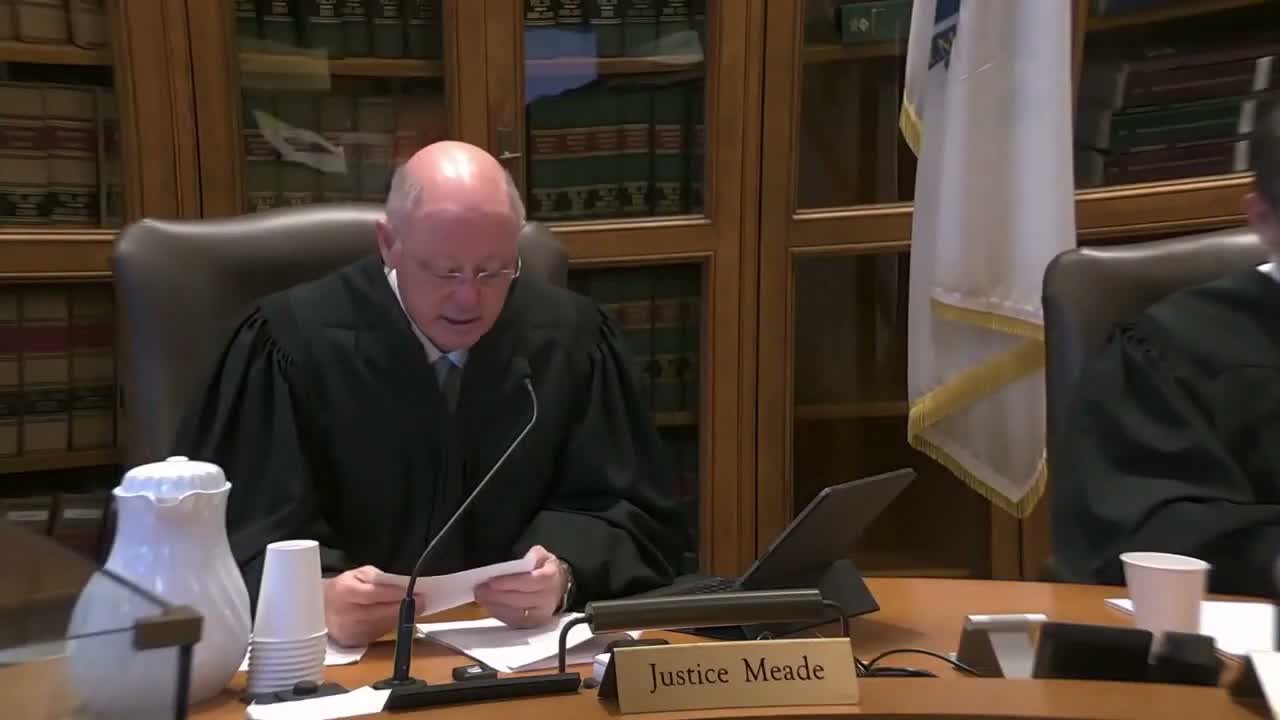
Summary
Self-represented appellant Tracy Casalinova argued procedural defects, denial of grievance rights and retaliation in a cause-based summary-process eviction; SK Management defended the eviction as supported by repeated lease violations and argued any presumption of retaliation was rebutted.
The panel heard a summary-process appeal brought by tenant Tracy Casalinova, who represented herself and urged reversal of an eviction she said was founded on erroneous lease violations and a misapplied retaliation standard.
Casalinova said she had lived in federally subsidized housing for more than three decades, that management improperly added lease violations without adequate proof, and that she was denied a grievance she believed federal rural‑development regulations required. She also said a letter about an earlier injury was misdelivered but should have been imputed to the landlord under the imputed-knowledge doctrine, supporting a retaliation claim.
SK Management lawyer Anthony Coletti responded that the complaint named multiple entities (owner, lessor, management agent), that the housing court found the tenant not credible in parts of its factual account, and that substantial documentary and witness evidence—multiple notices of lease violations, videos, and caretakers' testimony—supported a cause-based eviction and overcame any presumption of retaliation by clear and convincing evidence.
Justices questioned whether a management company can bring such actions without counsel (citing Hatcher), whether the appellant carried the initial burden to trigger the rebuttable presumption of retaliation under the statute cited in the record (transcript references to "2 39 2 a" and related provisions), and whether the housing court correctly applied the standard. The court took the matter under advisement.