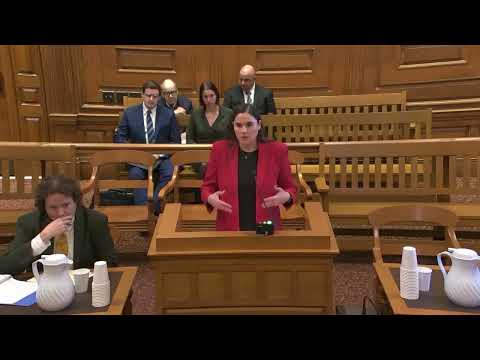
Panel reviews challenge to large damages award in Family Behavioral Health lease dispute
Loading...
Summary
On appeal, the landlord argued the jury's roughly $674,000 award (with judgment higher after interest) was unsupported and excessive and that trial counsel waived critical objections; the plaintiff urged affirmation, saying the record supports findings of willful, repeated misconduct affecting a therapeutic program.
An appeals panel heard arguments in Family Behavioral Health Inc. v. 387 Main Street Realty Trust about whether the trial verdict awarding substantial damages was excessive and whether the appellant may effectively mount a collateral attack by claiming malpractice of the prior defense counsel.
Counsel for the appellant, Howard Potash, said trial counsel failed to preserve key objections, produced no adequate defense on damages and that the judgment—now exceeding $2 million with interest—bears no reasonable relation to provable losses. "The amount of the judgment is clearly excessive," Potash told the court, arguing the jury instructions and damages calculus were not included in the record on appeal.
Plaintiff counsel Chris Hennessy said the jury heard evidence of repeated and willful misconduct—urinating in public near children, tampering with security cameras, approaching and photographing children—and that the jury's assessment of damages reflected lost profits and rent payments the plaintiff actually paid while operating a day program. Hennessy said the appellant waived many objections by failing to raise them in the trial court and that the appellate court should affirm.
Justices asked about the evidentiary basis for lost-profit calculations, whether jury instructions were included in the record, and whether a collateral malpractice allegation can substitute for preserved trial motions such as a motion for a new trial or remittitur. The panel took the matter under advisement.