
Appeals court hears arguments over whether evidence supports involuntary manslaughter conviction in Potter case
Get AI-powered insights, summaries, and transcripts
Subscribe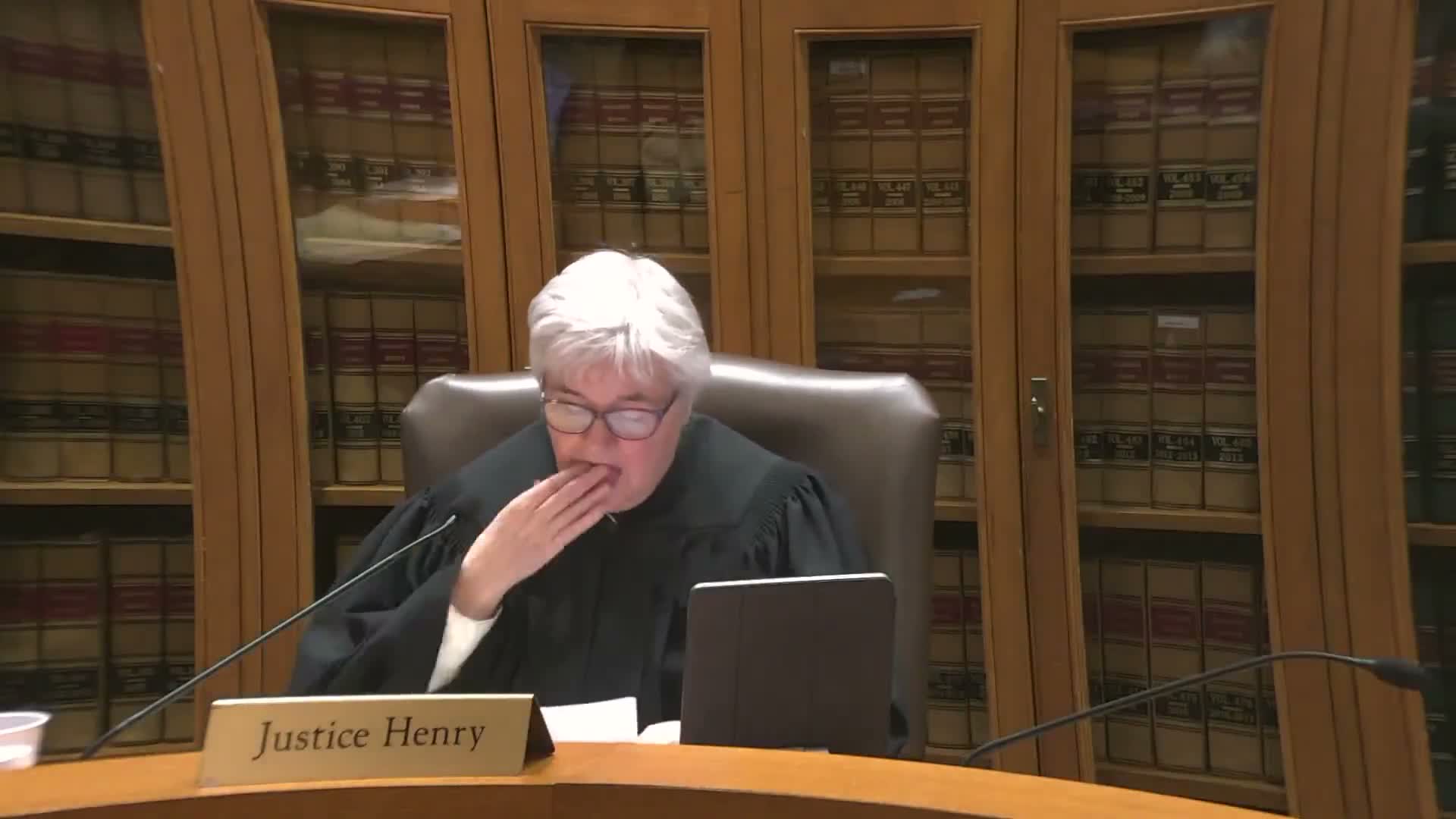
Summary
Defense described a chaotic VFW fight and argued no evidence tied the defendant to a lethal blow; the Commonwealth said witness testimony (a head 'whip' and a loud thump) and positioning of the defendant allowed a permissible inference of causation.
BOSTON — The appeals panel heard competing views Jan. 14 in Commonwealth v. Potter over whether the trial evidence supported a conviction for involuntary manslaughter.
Defense counsel Carl Sucecki told the court the evening at the VFW in Squanton was chaotic, involved heavy drinking, multiple fights and no testimony establishing contact between Matthew Potter and the victim after Potter was pulled away. Sucecki emphasized gaps in witnesses' accounts and said the only eyewitness who described the aftermath did not see a punch or physical contact that would link Potter to the fatal injury.
The Commonwealth, represented by Assistant District Attorney Ellen Lazar, said jurors heard testimony that the victim's head suddenly whipped around and that a bystander later heard a loud thump and a cracking sound. Lazar said one witness saw Potter 2 to 3 feet from the victim's body after the fall and that, viewed in the light most favorable to the Commonwealth, a jury could permissibly infer that Potter struck the victim in an unanticipated blow. She described William Deneen's testimony that the victim's body "fell, quote unquote, like a tree."
The justices probed both sides on whether circumstantial evidence could support causation without direct testimony of a strike, the import of evolving witness statements, intoxication evidence and whether Potter had a viable self-defense claim or showed consciousness of guilt through post-event statements.
After argument, the case was submitted. No ruling was announced at the hearing.