Get Full Government Meeting Transcripts, Videos, & Alerts Forever!
Get email alerts on the Contracts Enforcement topic
No spam. Unsubscribe anytime.
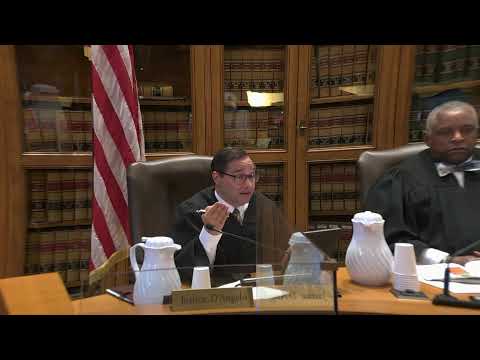
Appeals court revisits contract formation and remedies in Stonegate v. Tukard
Summary
Appellate argument focused on whether a September 2020 signed offer was an enforceable contract or merely a framework with material terms outstanding (closing date, environmental-lien responsibility, inclusion of a storage business). Parties disputed whether specific performance and delay damages could coexist; lower court's finding that the offer was binding was contested.
In Stonegate Group Management v. Tukard LLC, the panel examined whether a signed September 2020 offer constituted a binding contract or merely an agreement to negotiate subject to a later purchase-and-sale agreement. Defense counsel argued material terms—closing date, allocation of environmental liens and a self-storage business—remained undecided and that the trial court erred in awarding damages premised on performance when specific performance had not been sought consistently.
"An agreement to agree is a contradiction in terms," defense counsel told the court, arguing the offer lacked essential terms and that later conduct by the parties—termination of negotiations and internal communications—supports the view that no final contract was formed. The appellant also said Stonegate's post-offer emails and a contemporaneous confidentiality agreement showed the parties expected a definitive purchase-and-sale agreement would be required.
Stonegate's counsel replied that Pollock (a Stonegate signatory) executed the offer, drafts of a purchase-and-sale agreement circulated without objection, and the trial record contains evidence that the parties treated the documents as binding. He urged the court the trial judge's finding that the offer was binding was supported by evidence and that specific performance does not necessarily foreclose awarding damages designed to put the plaintiff in the position it would have been in had the deal closed.
The panel questioned whether the environmental-lien allocation was truly outside Stonegate's concerns and whether internal emails or later drafts resolved ambiguity. The matter was submitted for decision.