
Health commissioner tells committee H 545 preserves access and clarifies provider protections, not a vaccine mandate
Get AI-powered insights, summaries, and transcripts
Subscribe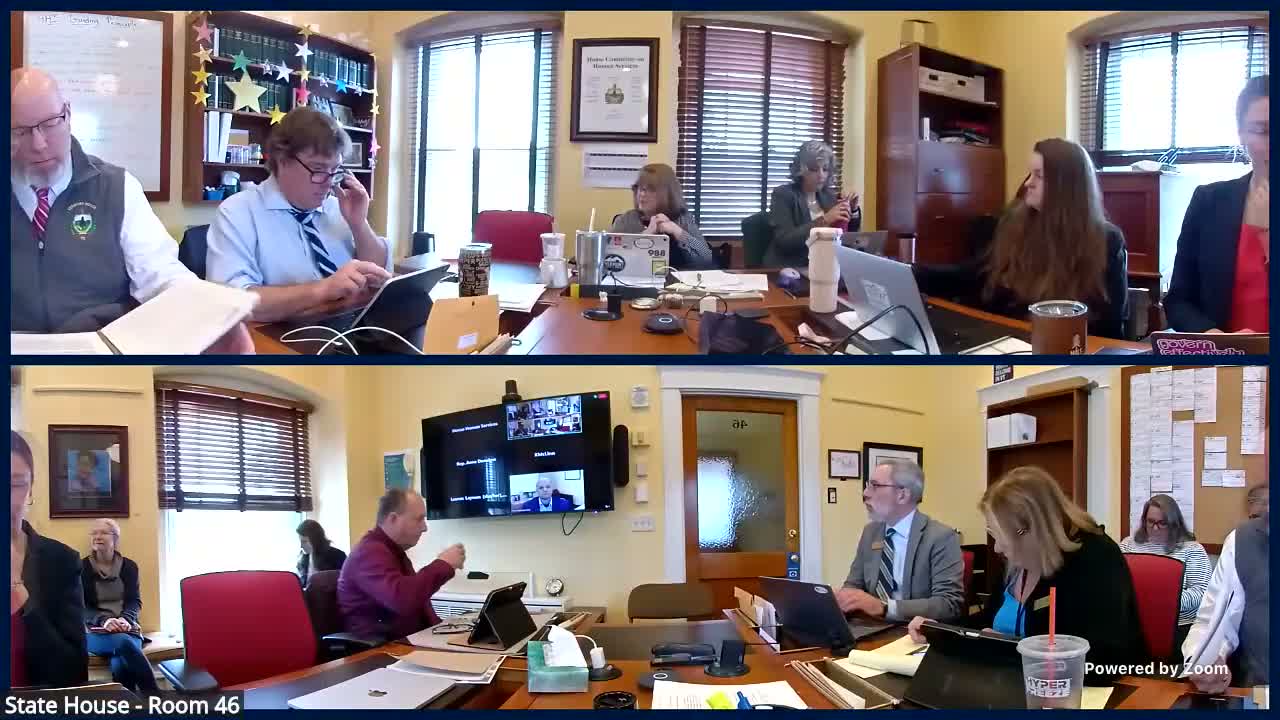
Summary
Rick Hildebrandt, Vermont commissioner of health, told a legislative committee that H 545 would preserve access to vaccines, allow flexibility in following professional vaccine schedules, and limit provider liability protection to actions consistent with the department's recommendations; no vote was taken.
Rick Hildebrandt, commissioner of health, told a legislative committee reviewing H 545 on Thursday that the bill is intended to preserve access to vaccines and clarify when providers are protected — not to mandate vaccination.
"This is not the intent of this bill in any way, shape, or form," Hildebrandt said, describing the proposal as a measure to keep Vermont’s existing vaccination system functioning and transparent.
Why it matters: The measure responds to concern about federal program changes and supply routes. Hildebrandt told the committee that the bill would let the state follow vaccine schedules from trusted professional organizations and, if necessary, acquire vaccines from alternative sources if federal channels such as the CDC’s Vaccines for Children (VFC) program are unavailable. He framed the change as preserving patient access and public trust while keeping clinical recommendations based on scientific evidence.
Hildebrandt summarized vaccine evidence and surveillance systems that underpin state recommendations, saying vaccines have "decades of rigorous scientific research" behind them and citing international analyses that estimate routine vaccination averts millions of deaths worldwide. He used hepatitis B as an example, saying routine childhood vaccination coincided with about a 99 percent drop in new pediatric chronic hepatitis B infections after the vaccine’s universal recommendation.
On liability, Hildebrandt drew a distinction between broad pharmaceutical-company protections and protections for providers who follow state guidance. "This is not about pharmaceutical company liability," he said, adding that the bill’s immunity provision is intended to protect health-care professionals from lawsuits arising solely because they administered vaccines in accordance with the department’s recommended schedule. He emphasized the provision would not shield providers from allegations of egregious misconduct or other actions that cause harm, and that current vaccine-injury compensation pathways would remain available.
Committee members pressed on specifics. One member asked whether the bill’s immunity language is needed if federal compensation programs (administered through HRSA and tied to CDC-recommended vaccines) are narrowed; Hildebrandt said the federal program provides a route for compensation when a definitive adverse outcome is tied to a vaccine, but the state’s provision seeks to preserve the status quo so providers who follow state recommendations are not singled out for liability.
Representative Cole asked where ordinary families could find the research Hildebrandt referenced. Hildebrandt recommended that families speak with their pediatricians and consult national professional societies, noting in particular the American Academy of Pediatrics and the American Academy of Family Physicians as reliable sources of vaccine schedules and supporting evidence.
What happens next: The committee chair said staff will incorporate the morning’s agreed revisions into a new draft of H 545; the panel recessed for a 10-minute break and planned to return to other business. The committee did not take a formal vote on H 545 during this session.
Sources: Committee proceedings; statements by Rick Hildebrandt, commissioner of health.