Council advances loan‑order ordinance amid debate over voter oversight and debt thresholds
Loading...
Summary
After a lengthy debate, the Fall River City Council moved a loan‑order authorization ordinance forward in second reading and enrollment while agreeing to refer related amendment proposals to committee for further work on voter oversight and debt limits.
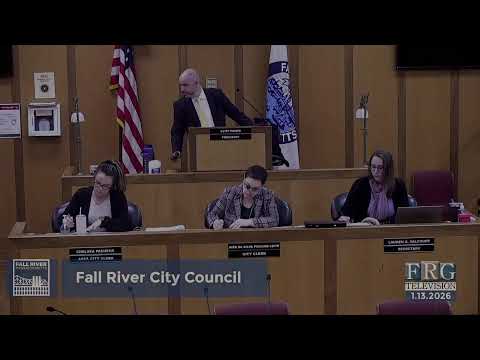
The Fall River City Council on Jan. 13 advanced an ordinance updating loan‑order (bonding) authorizations after a sustained debate over whether voter approval safeguards should be preserved, updated or replaced.
Councilor Kenyuan, speaking in support of retaining voter oversight in updated form, argued the policy’s purpose is to give taxpayers a voice when the city takes on large, long‑term debt and proposed amending the ordinance to update the monetary triggers to today’s dollars rather than eliminate them. He urged preserving the principle that voters decide on major borrowings.
Councilor Canuel urged adopting a percentage‑based safeguard rather than fixed dollar amounts, saying a ceiling tied to a share of the city’s statutory debt limit would better track inflation and long‑term fiscal capacity. He described a potential rule that would require voter approval if total authorized borrowing exceeded a set share (discussed in the meeting as a 70% threshold).
Corporation counsel Alan Rumsey did not advise any conflict with the statute in other agenda items but counsel and several councilors cautioned that substantial amendments are not typically made during a second reading in enrollment and that a formal referral and committee review would be the proper next step.
After back‑and‑forth on procedure and substance, the council voted to proceed with the ordinance through second reading and enrollment as presented and to refer the suggested changes and related proposals to the committee on ordinance and finance as appropriate for further study and drafting. Multiple speakers emphasized the need to preserve a clear safeguard for voters while also updating thresholds so they reflect modern costs.
What happens next: Councilors who proposed amendments said they will file resolutions and seek committee review; the ordinance will move forward in its current enrolled form and any substantive changes would be considered in committee before future readings.