Get Full Government Meeting Transcripts, Videos, & Alerts Forever!
Get email alerts on the Ancillary Entertainment topic
No spam. Unsubscribe anytime.
Council advances first reading of development‑code amendment to regulate ancillary entertainment
Summary
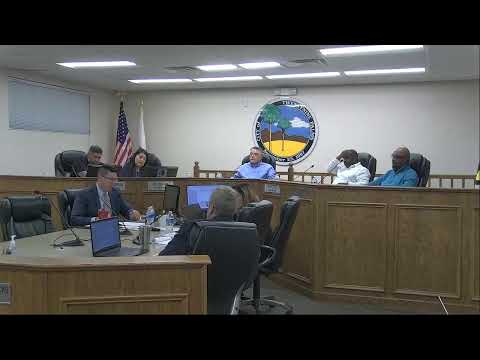
Council conducted the first reading of development‑code amendment 25‑00003 to define and regulate ancillary live entertainment, tie fees to existing business license fees, and impose a transition period and citation schedule; vote moved forward 4–0–1 with the mayor recused.
The Twentynine Palms City Council on Jan. 13 held a public hearing and conducted the first reading of a development‑code amendment (25‑00003) that would formally define "live entertainment," "ancillary live entertainment" and venues for the purpose of permitting and enforcement.
Staff said the amendment addresses ambiguity in the development code about incidental entertainment at existing businesses and aligns the new ancillary‑entertainment fee with the city's business license fee structure rather than creating a separate license. The proposal includes a one‑year transition period as the city relies on staggered business‑license renewal dates and a citation schedule intended to bring operators into compliance: a proposed $250 citation for a first offense, $500 and suspension for a second offense, and revocation for a third offense. Staff emphasized appeals would be available through the planning commission and city council.
Public comment raised procedural concerns about prior planning commission cancellations and the need for clear enforcement. A resident who had previously sought a planning commission seat urged careful oversight and better planning commission engagement with pending projects.
Because the mayor disclosed a conflict and left the room, the council voted 4–0–1 to find the amendment exempt from CEQA and to conduct its first reading. The ordinance will return for subsequent readings and final action; staff recommended completing the formal hearing process and publishing the required notices.
Why it matters: The amendment clarifies what kinds of entertainment small businesses can offer without triggering expensive land‑use permits and sets penalties for noncompliance; it may affect downtown businesses, event operators and enforcement workload for business licensing and planning staff.
Next steps: Staff will bring the ordinance back for additional readings and final adoption, and will provide details about enforcement timelines during implementation.