
Annapolis hears hours of public testimony on proposed 12‑month moratorium for new short‑term rental licenses
Get AI-powered insights, summaries, and transcripts
Subscribe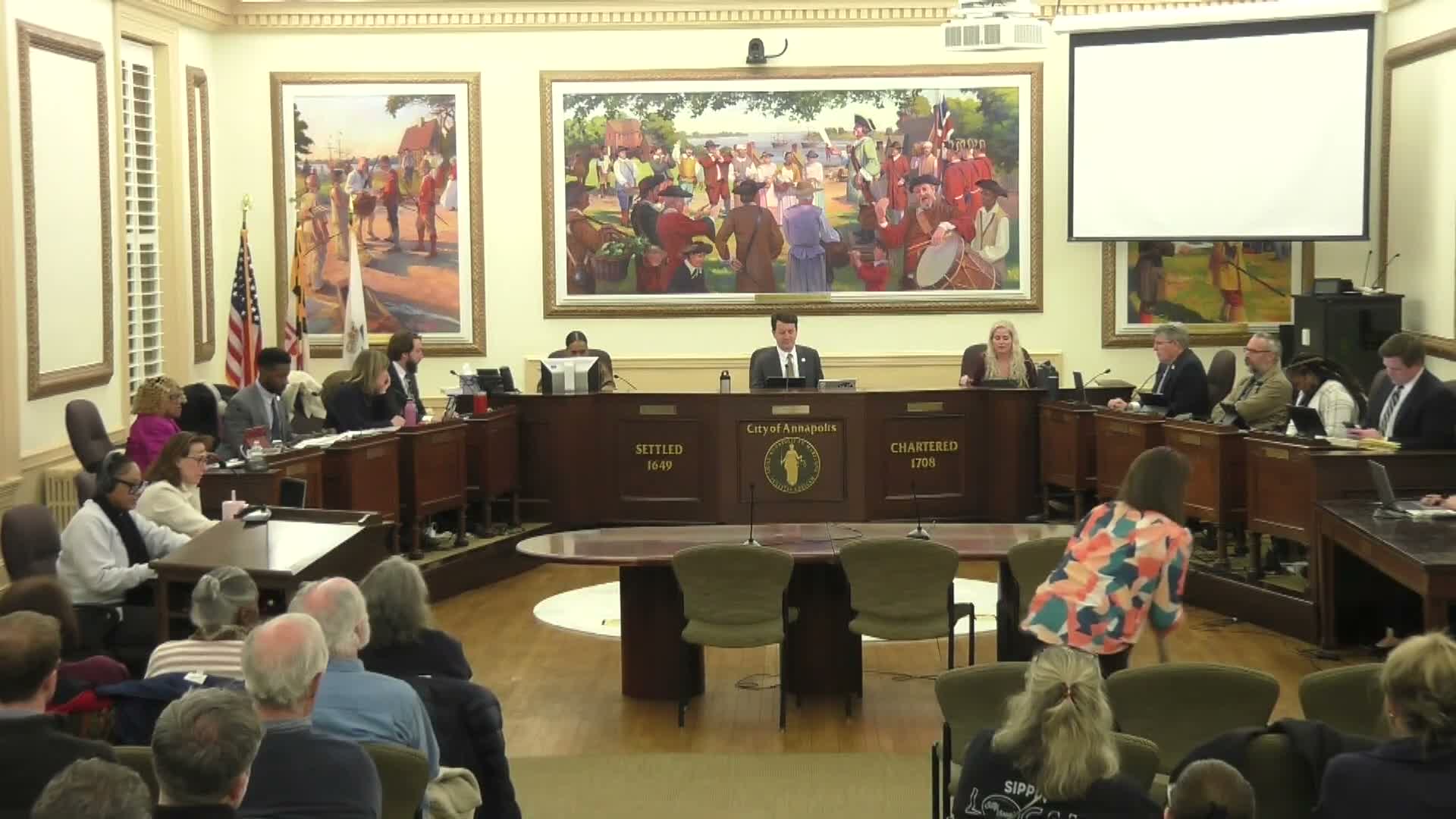
Summary
At a Jan. 12 council meeting, dozens of residents, STR owners and industry representatives gave divided testimony on a proposed 12‑month moratorium on new short‑term rental licenses (Ordinance O40‑25). Supporters asked for a pause to study neighborhood impacts; opponents urged stronger enforcement of unlicensed listings and warned of economic harm.
The Annapolis City Council on Monday heard several hours of public testimony for and against a proposed 12‑month moratorium on new short‑term rental licenses, Ordinance O40‑25, with speakers describing both neighborhood disruptions and economic harms. The council opened the public hearing after the mayor’s remarks and several committee reports.
Supporters of the moratorium — many longtime residents and neighborhood volunteers — said a temporary pause is needed to measure the effects of high concentrations of short‑term rentals (STRs) and craft neighborhood protections. “Short‑term rentals really took off in Annapolis in full swing at about 2016, and everything changed,” said Laurie Sullivan, who urged the council to “help us keep Annapolis a home first.” Other residents cited noise, parking shortages and sewer/backflow problems in winter when units sit empty.
Owners and industry representatives pushed back, arguing the moratorium will not fix the city’s enforcement gaps and will hurt residents who rely on STR income. “A moratorium preserves the status quo for a year while you figure it out,” said Max Gross of the Anne Arundel County Association of Realtors, who said roughly half of operating STRs in city records are unlicensed. Several operators urged the council to prioritize shutting down illegal listings and to revisit a grandfathering/lottery amendment adopted last October that affects existing licensees.
Some speakers emphasized nuance: owner‑occupied or family‑run rentals were defended as vital to owners’ ability to remain in the city, while absentee, investor‑owned units were blamed for neighborhood turnover. Multiple witnesses asked that any policy distinguish owner‑occupied STRs from unoccupied commercial operations and called for meaningful stakeholder engagement and data‑driven study before permanent limits are imposed.
The hearing included both legal argument and personal testimony. Attorney Kate McDermott urged unanimous approval of the moratorium and told council members she saw no legal impediment to it, while owners such as Robert McKenna urged enforcement of existing rules instead of a blanket pause. Several speakers requested that the council use the moratorium period to conduct a rigorous economic and neighborhood‑impact analysis and to craft enforcement plans for unlicensed operators.
The council closed public comment after a recess and moved on to other agenda items. No final vote on O40‑25 was recorded at the Jan. 12 meeting; the item remained at the hearing stage with public testimony captured for the record.