County approves intergovernmental SAM threat-assessment agreement led by Champaign Police Department
Loading...
Summary
The committee approved an intergovernmental agreement to create a Safety Assessment, Management & Mitigation (SAM) team to triage and assess community behavioral threat reports. Detective Matt Weldon described a triage/assessment model, confidentiality limits, and plans for a community reporting link; the IGA passed by voice vote.
Champaign County’s committee approved an intergovernmental agreement on Jan. 26 to create a Safety Assessment, Management & Mitigation (SAM) program intended to triage community behavioral-threat reports and coordinate assessments and referrals.
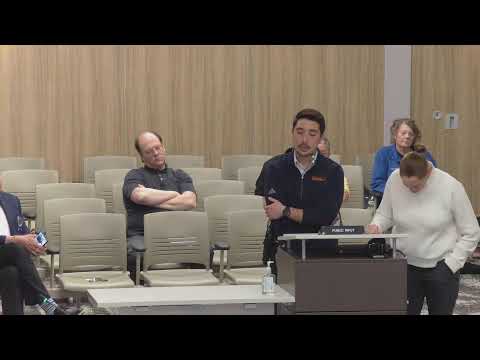
Detective Matt Weldon of the Champaign County Sheriff’s Office outlined how the SAM triage process would screen incoming tips to determine whether they warrant a full assessment and how assessments would employ structured professional judgment tools and partner referrals. "The triage step is a very early step. The assessment is usually when we get to that point where we start maybe seeking out different collaborations," Weldon said, describing potential partnerships with mental-health providers, mediation services, and other agencies. He said most information would remain confidential unless it rose to the level of criminal behavior.
Weldon also said the initial SAM effort is county-focused and currently led by the Champaign Police Department, and the program could expand to include municipalities and other agencies over time; Parkland Community College had already joined. Committee members asked about jurisdictional boundaries, confidentiality, and whether the University of Illinois would coordinate; Weldon said U of I has its own threat-assessment team but has been a training partner and could cooperate.
What happens next: the IGA was approved and staff will proceed with implementation details, community portals for reporting and outreach to smaller agencies to join the effort.