
Manteno panel OKs liquor licenses without gaming for now as applicants seek flexibility
Get AI-powered insights, summaries, and transcripts
Subscribe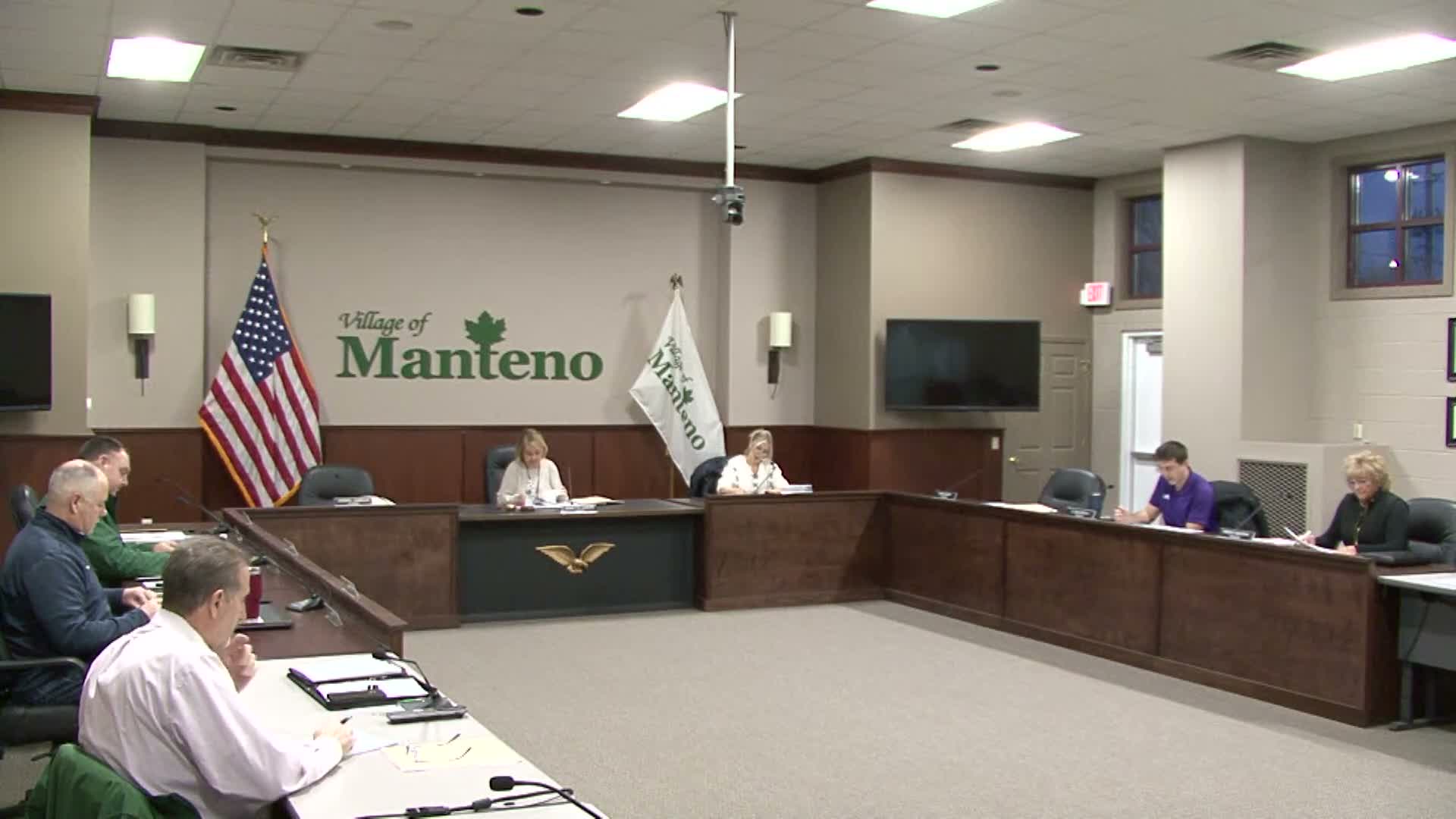
Summary
Applicants for a wine bar and a golf-simulator business requested liquor licenses and some asked to include gaming; the planning and zoning commission agreed to issue liquor licenses that restrict gaming initially and suggested returning after 6–24 months if the businesses prove viable.
Manteno’s Planning and Zoning Commission heard two business requests on Jan. 14 for new liquor licenses and wrestled again with the town’s informal approach to gaming.
Staff told the board that True Golf had applied for a liquor license and would prefer that gaming be allowed; staff said the applicant is "fine either way" but would like the option for machines. The commission expressed reluctance to add more gaming and said it would be willing to grant a liquor license that excludes gaming initially.
Applicants for a proposed wine bar at 380 North Locust — who introduced themselves as Tahoe and Afream — said they operate 12 locations elsewhere and that gaming at their other sites helps cover costs. "Gaming helps pay bills, you know," one applicant said. The board’s chair reiterated the commission’s stance: "I feel like this board at this time does not wanna add gaming," and members discussed allowing liquor service now while leaving the gaming decision for a later review period.
Several members noted the town already hosts multiple gaming establishments; one board member said the community has about "11 in town and about 75 machines." Commissioners favored issuing liquor licenses without gaming so the businesses must demonstrate viability without machine revenue first, with some suggesting a review after six months to two years.
No change to the town’s formal code was passed at the meeting; instead, the board described an administrative approach to limit new gaming at issuance time and invited applicants to return if circumstances change. The commission did not take a formal vote on a new gaming policy during the session.
What’s next: Applicants were told they may pursue a liquor license that excludes gaming now and could request a gaming allowance later if they demonstrate sustained business success.