Pulsar Helium pitches local production as long-term supply fix, urges faster permitting
Summary
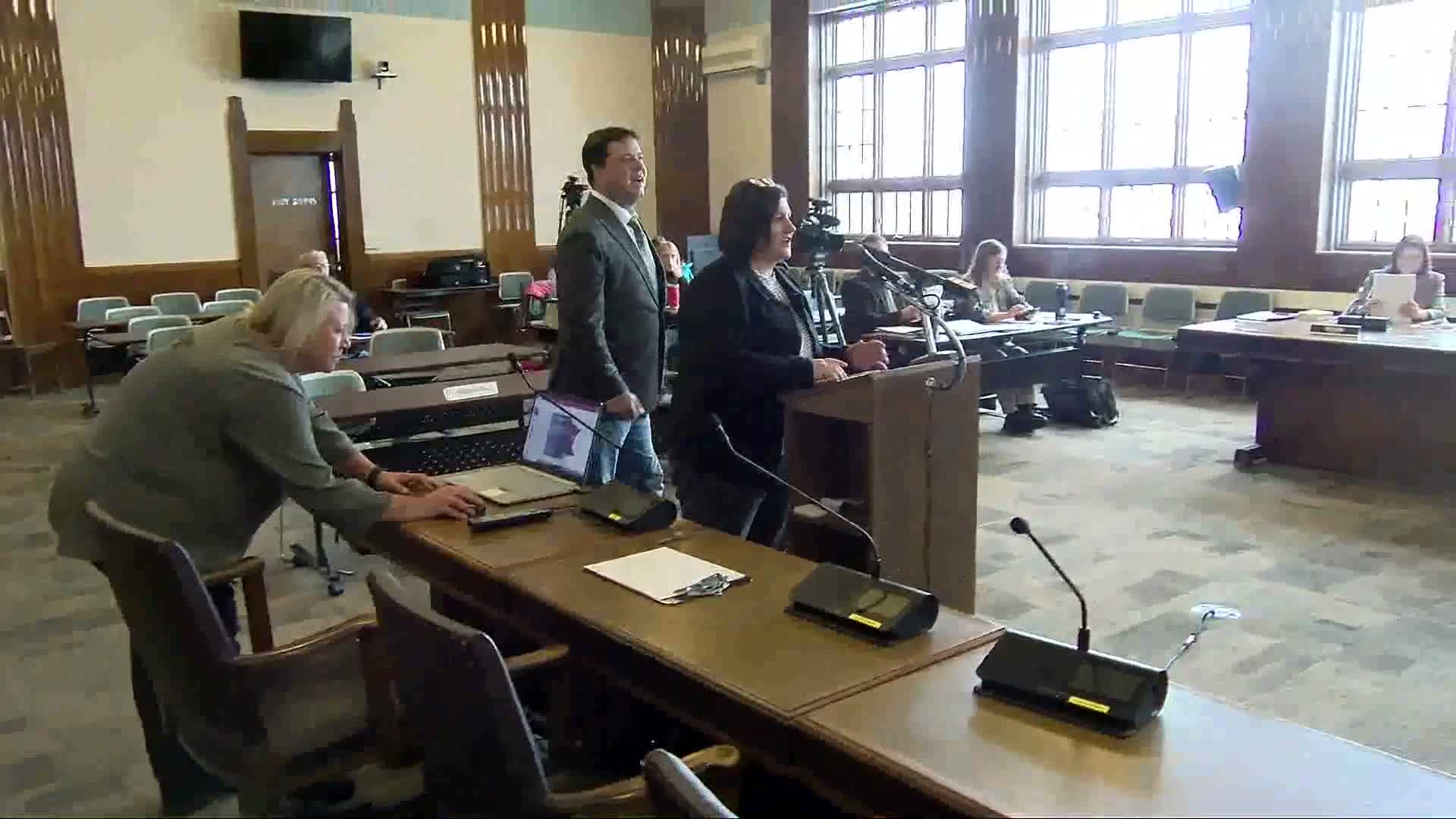
Pulsar Helium presented to the St. Louis County Board in Ely on Jan. 13, 2026, outlining exploration results near Ely, potential economic benefits for Minnesota manufacturing and health care, and the need for regulatory and tax clarity before building a cryogenic helium plant. Presenters offered site tours and asked the board to support permitting and legislation.
Cliff Kane, manager of commercial and external affairs for Pulsar Helium, told the St. Louis County Board of Commissioners on Jan. 13 that helium discovered near Ely could reduce Minnesotadependence on imports and support advanced manufacturing and medical research. "Helium is critical," Kane said. "Without helium, you don't have MRI machines working."
Kane described two resource types, helium-4 and the rarer helium-3, and said the companyhas found concentrations in Minnesota that merit further development. He argued in-state supply would attract semiconductor, aerospace and research businesses that rely on consistent helium deliveries; he said building a cryogenic processing plant typically takes about "16 months" once regulatory and permitting steps are complete. Kane also offered county officials a tour of exploration sites and said Pulsar would share maps and technical details with staff.
County staff and commissioners focused questions on environmental footprint, local jobs and the regulatory path. Kane said production facilities and cryogenic processing would occupy a small physical footprint and pointed to prior projects in Arizona as examples of ancillary economic activity. He described potential direct employment at a plant as roughly "15 to 20" people and emphasized the larger number of induced jobs in supporting industries.
Several commissioners cautioned that Minnesota permitting, local opposition and taxation debates could delay projects. Commissioner Nelson warned that political resistance in metropolitan areas often stalls mining-related development and urged Pulsar to consider neighboring states. County staff said they are engaged on permitting and legislative issues and are coordinating possible tours.
Kane made specific technical and market claims on helium-3 and its value; those are presented here as his statements to the board. The county did not take formal action on the presentation; staff said the next steps are continued coordination on leasing, permitting, possible site tours and monitoring relevant state rulemaking and legislation.