Get Full Government Meeting Transcripts, Videos, & Alerts Forever!
Get email alerts on the Utilities topic
No spam. Unsubscribe anytime.
San Mateo staff to mail Prop 218 notice after council hears proposed 2026 solid‑waste rate increases
Summary
City staff presented proposed 2026 solid‑waste, recycling and compost rates and asked council to authorize mailing the Prop 218 notice. Council members asked for cost‑driver detail and were told low‑income discounts would require outside funding; staff received direction to proceed with the notice and schedule a protest hearing.
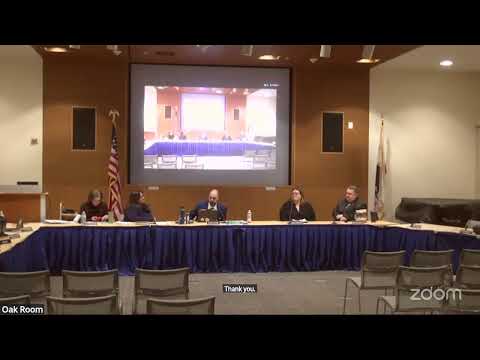
City staff presented proposed increases to San Mateo’s 2026 solid‑waste, recycling and compost collection rates and asked the City Council Jan. 12 to authorize mailing a Prop 218 notice that would start the 45‑day protest period.
Jack Johnson, the city’s Solid Waste Supervisor, said the rate request covers collection, transportation, processing, street sweeping, regulatory compliance and public‑education programs and described three primary cost drivers: Recology collection costs (inflationary adjustments), disposal and processing tip‑fee increases, and increased city solid‑waste program costs. Consultants from HF&H said the city faces a projected revenue requirement of about $35.6 million in 2026 and an operating shortfall near $1.17 million at current rates.
HF&H recommended aligning residential subscription rates with the cost of service per Proposition 218. The consultant presented the proposed monthly bundled residential rates: 20‑gallon $42.09, 32‑gallon $52.18, 64‑gallon $78.93 and 96‑gallon $107.24. Consultants said the proposed rates fall near the regional median among Rethink Waste member agencies but cautioned that additional increases could be required in future years for capital improvements at regional facilities and potential fleet upgrades to zero‑emission vehicles.
Staff asked the council to authorize mailing the Prop 218 notice by Saturday to meet the 45‑day deadline; the council scheduled a protest hearing for March 2 and, if approved, rates would become effective April 1. One public commenter urged a clearer breakdown of which increases represent direct service costs versus administrative or corporate margins and asked whether low‑income protections would be considered.
Staff responded that Proposition 218 requires parcel rates to reflect the cost of service and that any targeted rate relief would have to come from a fund other than the solid‑waste enterprise (for example, council direction to use general‑fund dollars to subsidize some parcels). Council members asked staff to provide more detailed cost breakdowns for the public and to share the consultant’s comparative graphics to council members for further review.
No formal vote was required to mail the notice; staff received direction from the council to proceed with mailing the Prop 218 notice and to return for the March protest hearing. City staff also highlighted a local public‑private pilot for CRV recycling and ways residents can lower bills by selecting smaller garbage carts or adjusting service levels.
The council’s decision to authorize the notice starts the formal protest timeline required under state law.