
Auditors give Farmington a clean opinion as board examines enrollment decline and 2026–27 model
Get AI-powered insights, summaries, and transcripts
Subscribe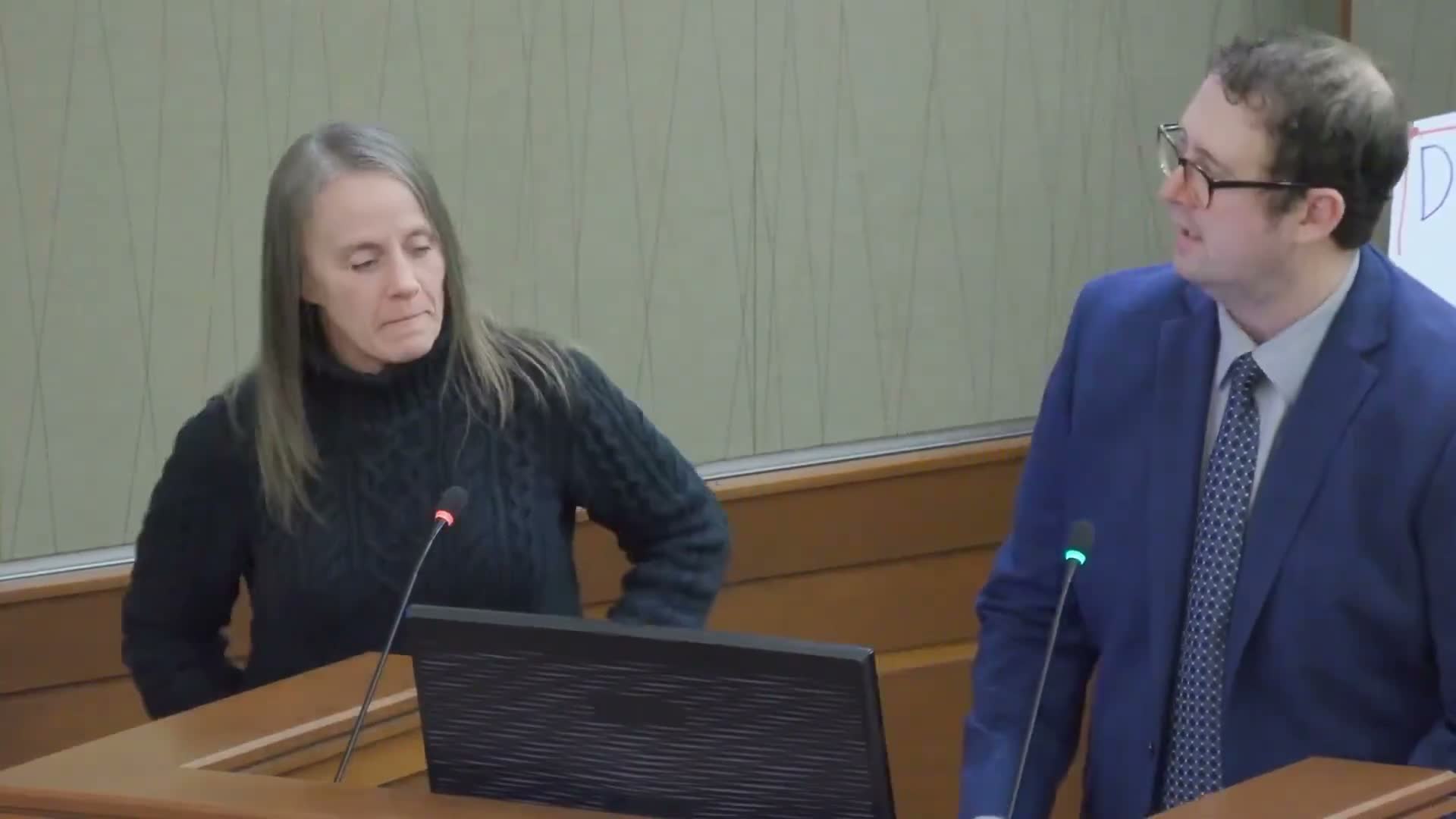
Summary
Independent auditors gave an unmodified (clean) opinion on the district’s 2024–25 financial statements but flagged a significant deficiency for segregation of duties; board members reviewed a budget model showing enrollment-driven revenue declines and a projected $2.4M surplus for 2026–27 after referendum funds.
Auditors from Bergen (presented by Andy/Andrew Grice) told the Farmington Public School District board they issued an unmodified — commonly called "clean" — opinion on the district's 2024–25 financial statements and the child nutrition cluster compliance tests, while reporting one significant deficiency related to segregation of accounting duties.
"We are providing a clean or an unmodified opinion," the auditor said. He described the government-auditing report requirements and noted that when deficiencies rise to significant-deficiency or material-weakness levels, auditors are required to report them; this year's matter involved segregation of duties within accounting processes.
The audit presentation included multi-year trend analysis: resident ADM (students) fell from about 7,507 at a previous high to 7,224 in 2025; pupil units served decreased to 6,989. The auditor highlighted that state sources account for roughly 78% of general-fund revenue and that general-fund expenditures rose to about $102.5 million in 2025. The audit showed a decrease in the district's fund balance of roughly $2.3 million for the year, with restricted and assigned fund balances accounting for much of the change.
Director Jane Huska and board members discussed the revenue variance from budget to actual. Huska said the main contributors to revenue coming in better than budgeted were higher interest earned on investments ("roughly about $300,000 to $400,000") and miscellaneous revenues such as donations and fees.
Board and staff used the audit results to review an initial 2026–27 budget model. Superintendent Jason Berg told the board the district expects about a $1.8 million revenue decline for 2026–27 tied to an approximate 200-student long-term enrollment shortfall, and the modeling showed an estimated $2.4 million excess for 2026–27 (a forecast that speakers repeatedly cautioned is less reliable the further out it goes).
Board members asked follow-up questions about the composition of revenues and the district's fund-balance policy; the auditor and director confirmed no compliance findings from the state-auditor legal-compliance review.
What happens next: staff will use the audit and updated enrollment projections to refine the 2026–27 budget and return with more detailed options and assumptions at future meetings.