Tennessee appellate panel hears appeal challenging 'massage' conviction and 11-year sentence
Loading...
Summary
A three-judge Tennessee panel heard arguments in the appeal of Richard Kennedy, where defense counsel said a 16-minute video shows indications of consent and the state said the recording and surrounding ruse demonstrate non-consent; the court took the matter under advisement.
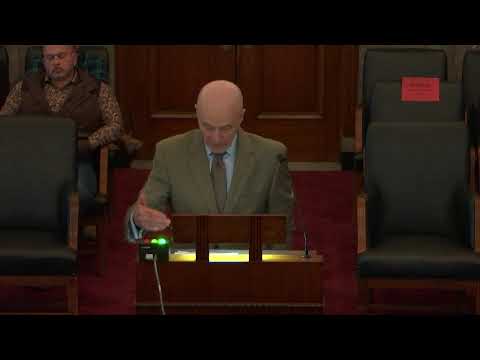
COLUMBIA, Tenn. — A three-judge panel of the Tennessee Court of Appeals heard oral argument on an appeal by Richard Kennedy on claims that the evidence was insufficient to support his sexual-offense convictions and that his 11-year sentence was excessive.
Pat McNally, counsel for the appellant, told the panel the case raises “fundamental questions” about whether the state presented sufficient evidence for both its fraud-based and non‑consent theories and argued the 16‑minute videotape of the encounter undermines the convictions. “There’s never any words of saying no,” McNally said, arguing the recording shows the alleged victim verbally and physically engaging in the encounter and at points responding to the defendant’s questions.
Caroline Weldon, for the State, countered that the trial evidence — including the victim’s testimony and the recording — was overwhelming and that the video shows the victim tense on the table and not engaging in back‑and‑forth conversation. “The state’s evidence at trial was overwhelming,” Weldon said, describing how the defendant allegedly used a ruse — calling the victim’s mother and creating a massage project — to bring the victim to his home and then proceeded to touch intimate areas while the victim believed she was assisting with a legitimate massage.
Defense counsel also urged the court to reconsider the sentence, arguing the trial court improperly applied enhancement factor 14 (private trust) and asking the panel to reduce the 11‑year term given the defendant’s age and lack of prior convictions. McNally said prior Tennessee decisions (Dryden, Funkem, Dee DeMonaco) show a different factual pattern when private trust is found and that here the relationship was limited: the victim had been to the defendant’s home with his wife present and had performed occasional yard work for the family.
Weldon told the panel the facts support application of the enhancement, stressing a long-standing 20‑year connection between the families and contextual evidence the jury heard about the defendant’s relationship to the victim’s mother. She also said the trial court relied on multiple enhancement factors and that evidence on the defendant’s electronic devices supported a greater sentence.
Judges pressed both sides on whether the full encounter was captured on the recording, how the video should be read in light of the victim’s testimony, and the legal question whether fraud inducement and non‑consent can be pleaded and sustained simultaneously. In closing remarks, Judge Robert Holloway said the court would take the case under advisement and issue an opinion later. “We’ll take it under advisement and get it out as soon as we can,” Holloway said.
The panel moved on to the next case at the end of the argument. The Court did not announce a decision from the bench.