
Panel hears arguments over excluded use‑of‑force expert in Potts post‑conviction hearing
Get AI-powered insights, summaries, and transcripts
Subscribe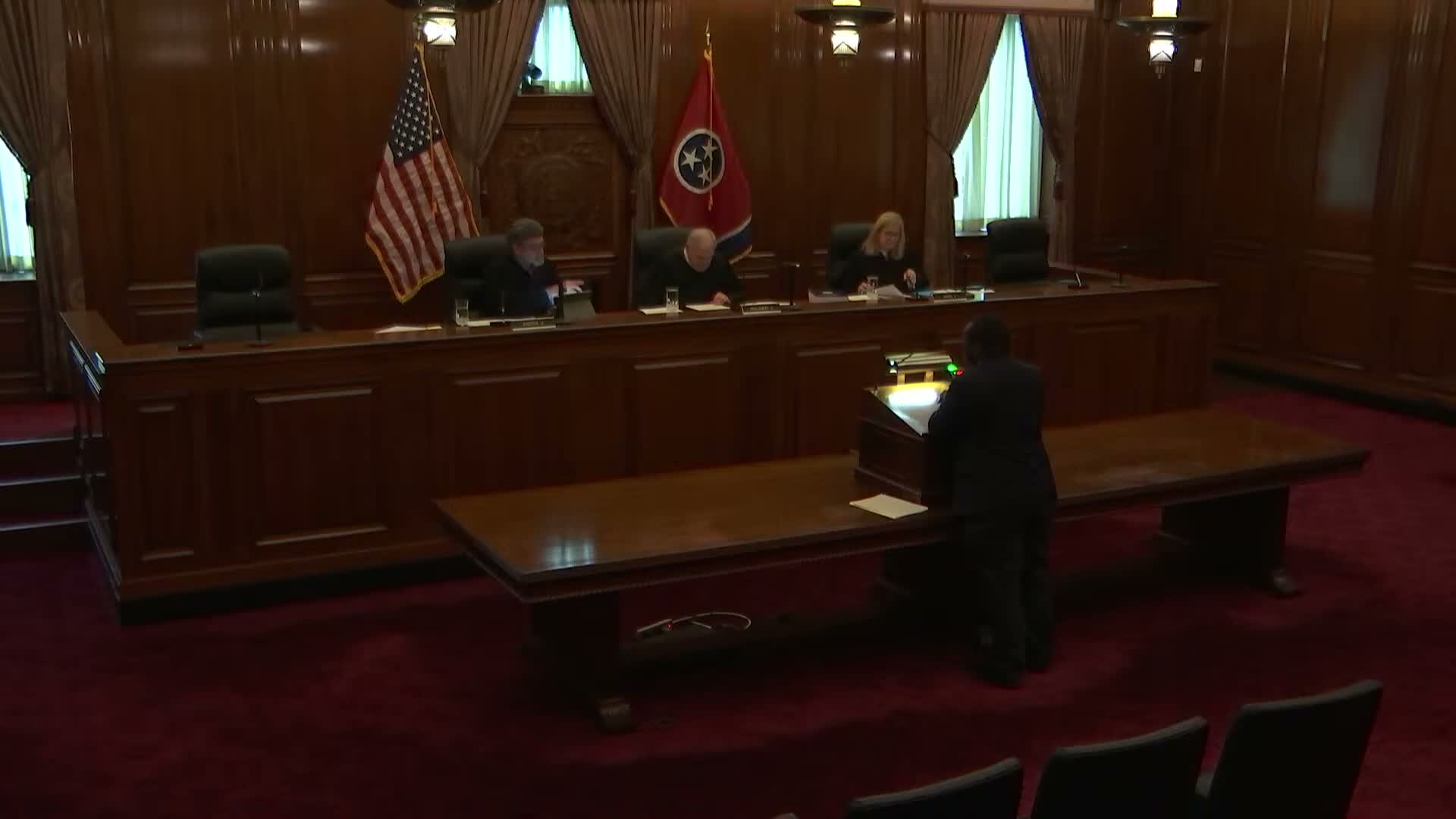
Summary
At a post‑conviction hearing, petitioner counsel argued trial counsel was ineffective for not calling use‑of‑force expert Melvin Brown to explain the alleged victim’s specialized military training and dangerousness; the state countered that the expert invaded the jury’s province and that admission would not have changed the verdict.
Mister Murphy, counsel for the petitioner, told a post‑conviction panel that trial counsel was ineffective for failing to call Melvin Brown, a use‑of‑force expert, whose testimony would have explained why the alleged victim’s specialized military training and prior threats made him dangerous and relevant to a claim of self‑defense. ‘‘She threw the baby out in the bathwater,’’ Murphy said, arguing the trial judge erred by excluding the expert wholesale rather than limiting testimony to technical matters.
The argument matters because the admission of expert testimony could affect whether a jury fairly considered whether Mister Potts’ actions were reasonable. The state, represented by Ben Veil, told the panel that Tennessee Supreme Court precedent (Dellinger) controls post‑conviction review, that the petitioner shifted his argument on appeal, and that Brown’s report went beyond describing training to opine on the ultimate question of reasonableness—invading the jury’s province. ‘‘It’s an ambush. It’s not self‑defense,’’ Veil said when describing the underlying facts and the government’s view of the incident.
Panel questions focused on the admissibility line between technical explanation and ultimate‑issue testimony. An unnamed judge asked whether military training and dangerousness are matters the jury could evaluate without an expert and how an expert could explain specialized training without effectively deciding the case. Murphy replied that training and reaction patterns are technical matters an expert can explain and that a judge can limit testimony to those subjects without allowing opinions on ultimate reasonableness.
Murphy described Brown’s methodology to the panel: Brown reviewed the trial transcript, relied on his prior military and law enforcement experience, and testified in prior cases about use‑of‑force assessment. Murphy said portions of Brown’s report—about how someone with particular training would react or the level of danger posed—would not invade the jury’s role and would assist jurors who lack that specialized knowledge.
Veil countered that Brown’s report went farther, that the methodology was unreliable for the purposes claimed, and that even if some training facts could be developed through cross‑examination or investigation, the expert’s ultimate opinions would not have created a reasonable likelihood of a different outcome. The state emphasized the factual picture in the record, telling the panel the defendant lay in wait on an elevated landing and shot an unarmed victim as he entered—characterizing the incident as an ambush.
In rebuttal, Murphy urged the panel to consider record evidence he said supported allowing Brown’s testimony: he said the defendant attempted to call 911 before the encounter; the defendant’s girlfriend, Miss Burnett, warned him Mister Thompson was coming; and that a 911 recording captured gunfire. Murphy also noted his brief cited a statute and urged the court to permit the jury to weigh technical expert evidence about danger and reaction.
The panel did not announce a decision in the hearing transcript. Court staff closed the session and noted ‘‘That completes January docket for this panel.’’