
DFR tells Appropriations committee Vermont insurers need adequate rates to avert Blue Cross insolvency
Get AI-powered insights, summaries, and transcripts
Subscribe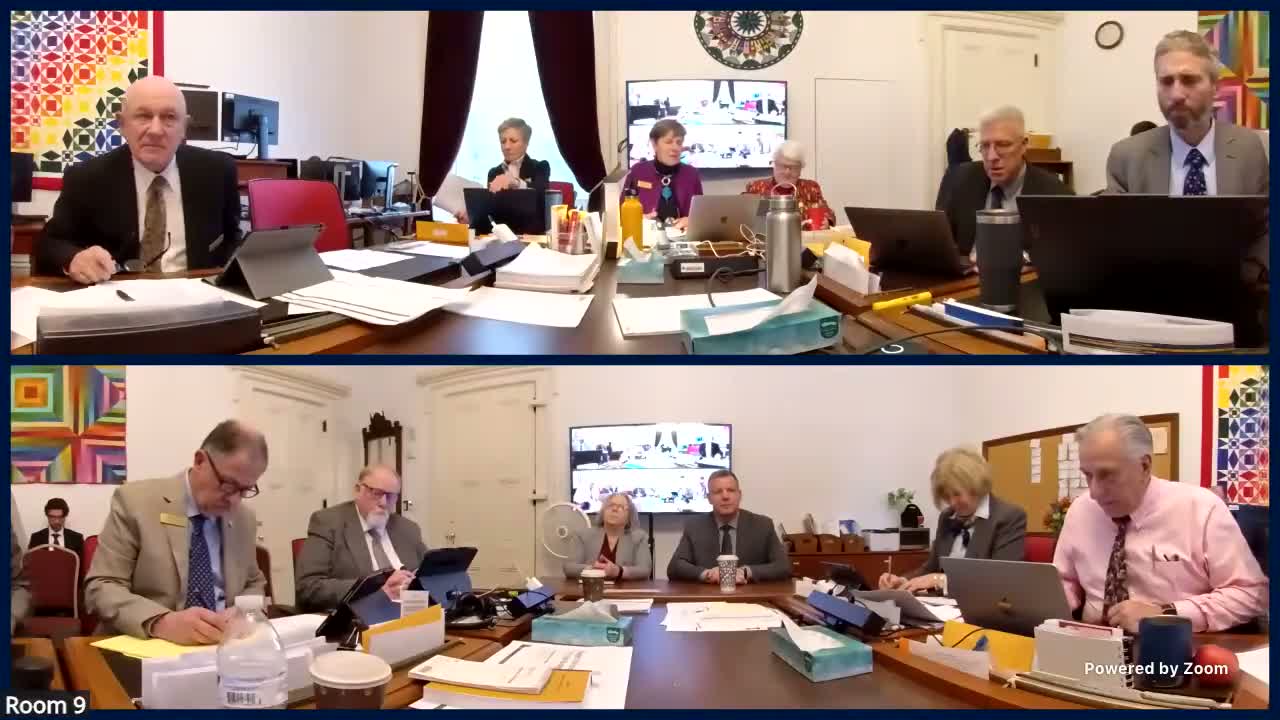
Summary
DFR Commissioner Kai Sampson told the House Appropriations Committee that suppressing rates cannot by itself control health‑care costs and that recent multi‑year losses on Medicare Advantage and exchange plans drove Blue Cross Blue Shield of Vermont toward a statutory intervention threshold; DFR has required action plans and tightened oversight while urging careful coordination with the Green Mountain Care Board.
The Vermont Department of Financial Regulation warned lawmakers on Wednesday that ensuring the solvency of Blue Cross Blue Shield of Vermont requires adequate insurance rates and tighter coordination across state regulators. "You cannot, meaningfully control health insurance or health care costs for Vermonters by suppressing rates," DFR Commissioner Kai Sampson told the House Appropriations Committee.
Sampson framed the department's role as the state's primary insurer regulator—responsible for solvency, consumer protection and form reviews—while noting the Green Mountain Care Board controls rate approval for certain health products. That split, he said, limits DFR's direct authority to set or approve rates even as the agency must police insurers' financial health.
The department's Act 68 review found that Blue Cross lost roughly $50 million on Medicare Advantage and about $70 million on Qualified Health Plans (the ACA exchange) over recent years. Sampson said those losses were "primary drivers" of solvency stress in 2023–25. He told the committee DFR can demand confidential corrective plans when an insurer's risk‑based capital (RBC) drops to statutory trigger points and, in extremis, has statutory escalation powers up to taking over management—but that intervention is a last resort.
Sampson also described limits tied to federal jurisdiction: Medicare Advantage is governed by the Centers for Medicare & Medicaid Services (CMS), and states have little sway over product design or federal rates. He said CMS did not reliably share certain information that would have helped state oversight when insurers pulled back from Medicare Advantage in some counties.
To protect solvency and press on affordability, DFR said it has taken supervisory steps during recent insurer–hospital negotiations. The department issued an order requiring that insurers provide a plan to the department showing how savings are built into proposed hospital contracts before completing them, appointed an independent contracting expert to join negotiations, and welcomed the care board's liaison role. Sampson said those interventions helped stabilize negotiations and improve DFR's "front seat" in talks.
Committee members asked whether association health plans or state‑run insurance would meaningfully change the dynamic. Sampson said S.585 contains language to make Vermont statutes more flexible if federal rules change to permit broader association health plans, but he cautioned that state administration of a plan would face scale and operational hurdles and would not by itself eliminate high underlying health‑care costs.
DFR recommended maintaining stronger reserves and monitoring risk‑based capital metrics. Sampson described an RBC supervisory benchmark the department has used (around 5.90 in its analysis) and estimated an appropriate reserve dollar range for Blue Cross in the order of magnitude of tens to a low hundreds of millions of dollars, while acknowledging affordability constraints.
The department also disclosed that Blue Cross received an affiliate loan of roughly $30 million from an out‑of‑state Blue Cross affiliate that helped avert a statutory takeover during the most acute stress. Sampson said the situation has improved since regulators demanded action plans and engaged directly in contract negotiations, but he urged continued coordination between DFR and the Green Mountain Care Board.
The committee requested a follow‑up briefing from Nolan (DFR staff author of the issue brief) and asked DFR to return for testimony on bill S.585 and FY2027 budget matters. No formal legislative action or vote on S.585 occurred Wednesday; DFR's testimony was advisory to the committee's deliberations.