Get Full Government Meeting Transcripts, Videos, & Alerts Forever!
Get email alerts on the Breast Cancer Survivorship topic
No spam. Unsubscribe anytime.
Board of Health chair marks five years with cancer not detectable, urges early diagnosis
Summary
Tanae Franklin, chair of the board of health, described her August 2020 diagnosis of stage 2 triple‑negative breast cancer, five months of chemotherapy and said cancer is now not detectable; she used her experience to urge early screening and public‑health outreach.
Tanae Franklin, chair of the board of health, said she was diagnosed with breast cancer in August 2020 and, after five months of chemotherapy, that cancer is not detectable in her body today. Franklin framed her personal experience as a demonstration of why early diagnosis and public‑health outreach matter.
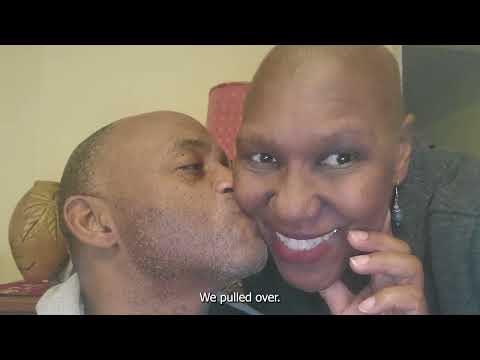
Franklin said she first noticed changes after increasing physical activity. "And from then, that's when I found my lump," she said, describing how she and her husband pulled over on Doctor D B Todd Boulevard to read biopsy results together. She said the diagnosis — "triple negative breast cancer and being stage 2" — made clear that "time was of the essence," and she sought oncologic care immediately.
She recounted treatment side effects in blunt terms. "It hit me like a ton of bricks," Franklin said of the initial rounds of chemotherapy, listing nausea, a metallic taste and exhaustion as part of the five‑month course. She said those months were exhausting but that she received a "tremendous amount of support" from others during treatment.
Franklin credited timely screening and follow‑up — mammogram, ultrasound and biopsy — with enabling earlier treatment and better outcomes. "One thing that we do know and evidence does tell us is that the sooner you can get diagnosed and in for treatment, the better your health outcomes are," she said, using her experience to underscore a public‑health message about early detection and access to care.
On the language of survivorship, Franklin said she avoids the phrase "you beat cancer." She explained, "A lot of people say, Tene, you beat cancer. And that is a phrase that I shy away from" because of how cancer can affect families and individuals. Instead, she said, she prefers to say she is "working through, I'm fighting," and reported that she is grateful that "cancer is not detectable in my body" at five years.
Franklin's remarks combined personal testimony with a call to action for prevention and screening: she presented her own timeline — diagnosis in August 2020, five months of chemotherapy and current nondetectable status — as evidence for the public‑health importance of early care and community support. She closed by acknowledging ongoing work to maintain health and by expressing gratitude for the support she received.