
Rapid City committee directs staff to draft backyard-chicken ordinance after public testimony
Get AI-powered insights, summaries, and transcripts
Subscribe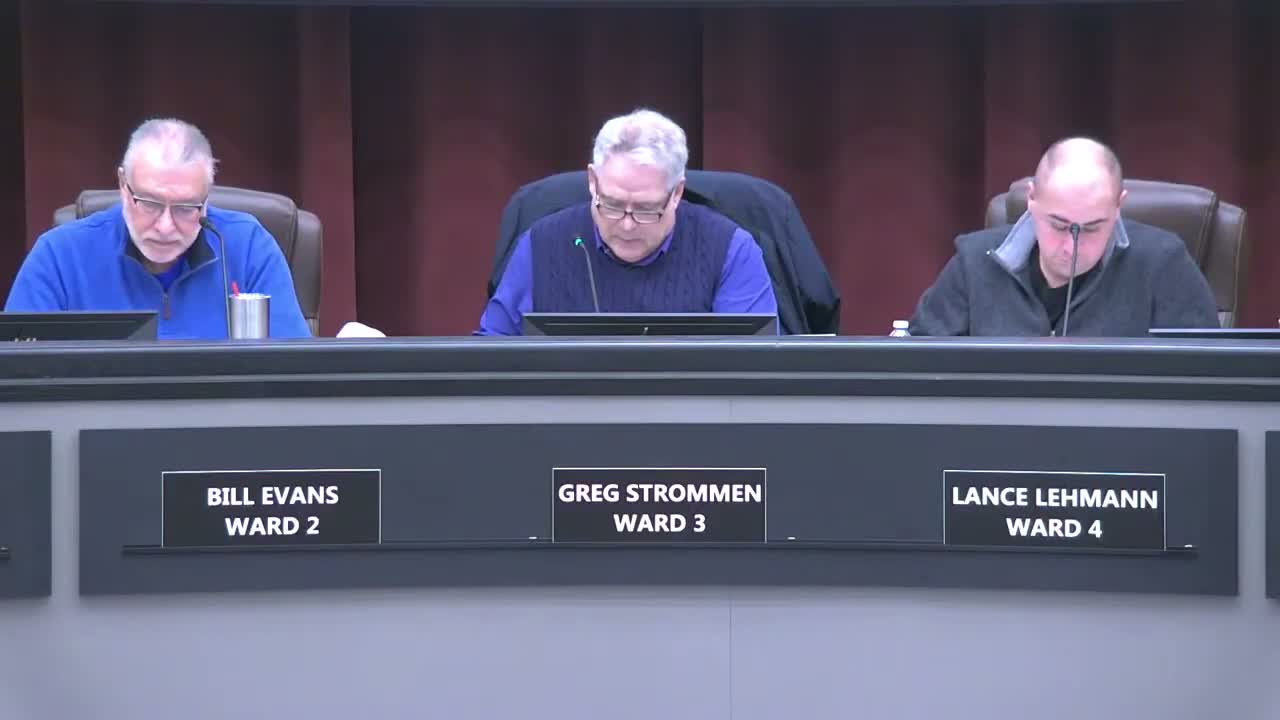
Summary
After extensive public testimony largely supporting backyard chickens, the Legal & Finance Committee voted to direct the city attorney to draft an ordinance legalizing chickens on residential properties; staff flagged drafting issues including setbacks, easements, and building-permit triggers.
The Rapid City Legal & Finance Committee on Jan. 14 voted to direct the city attorney’s office to prepare an ordinance that would legalize keeping backyard chickens on residentially zoned lots and send the item to the full City Council for consideration.
The move followed more than an hour of public comment from residents and advocacy groups largely urging the city to adopt the change. David Holland asked the committee to advance the measure, saying, "Please send this to the full council," and proponents emphasized community, sustainability and small-scale food production benefits. Tammy Barrows, executive director of the Humane Society, urged the committee to account for animal-control capacity if keeping chickens becomes widespread.
Community Development Director Vicky Fisher, who said this is the fourth time in her 30-year tenure the council has considered backyard chickens, outlined drafting clarifications the department recommends. She told the committee that a coop larger than 120 square feet "will trigger a building permit," that setbacks should be measured from the lot line (she discussed options including a 10-foot or 17-foot separation depending on likely building additions) and that coops should be prohibited in easements and federally designated 100-year flood plains to address drainage and enforcement concerns.
City Attorney Joel told the committee a single alderman cannot unilaterally direct staff to draft an ordinance, and that the committee’s vote would authorize planning and legal staff to work with proponents and the Humane Society on revisions before a first reading.
Councilwoman Lindsey Seacrest said she supported the ordinance as drafted but asked for a 10‑foot setback from property lines to protect neighbors. Councilman Bill Evans said most of his constituents expressed opposition and suggested letting voters weigh in, but agreed to send the proposal forward for more discussion.
Alderman Temang moved to send the draft to the City Council "without recommendation" for the city attorney to prepare an ordinance; the motion was seconded and carried by voice vote. The committee did not adopt an ordinance at the meeting itself — it authorized staff to draft and return the proposal for formal readings and votes at the full council meeting.
The full City Council is scheduled to receive the draft at its next meeting for first-reading consideration.