
Senator Rhodes opposes environmental conservation bill, says it lacks biomedical research exception
Get AI-powered insights, summaries, and transcripts
Subscribe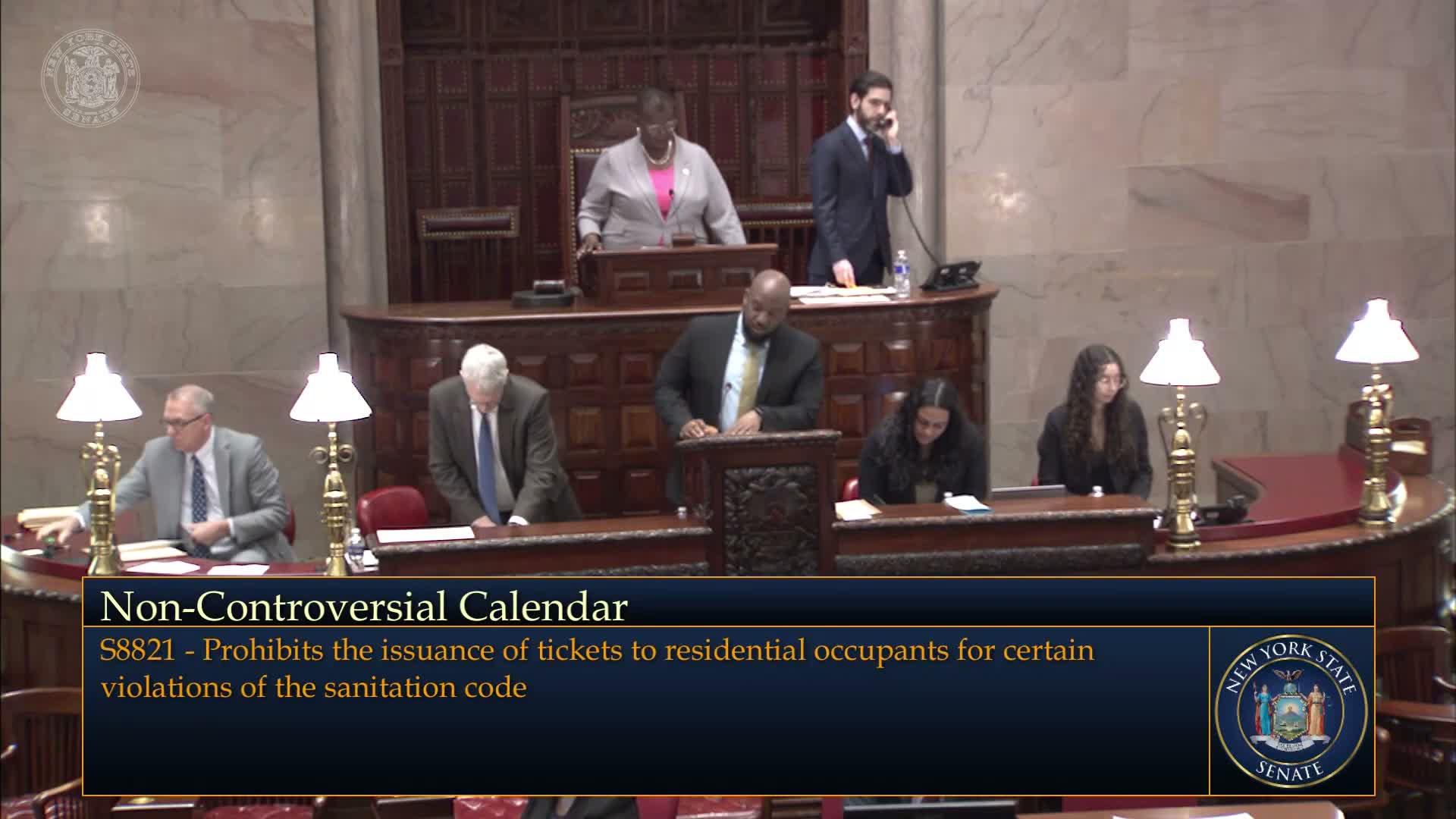
Summary
Senator Rhodes explained a negative vote on an Environmental Conservation Law measure during the Jan. 12 Senate session, saying the bill should have carved out an exception allowing use of horseshoe crabs for biomedical research and that the restriction could inhibit state innovation.
ALBANY — Senator Rhodes recorded a vote against an environmental conservation measure on Jan. 12, saying the bill did not preserve an exception allowing biomedical research use of horseshoe crabs.
“ I do believe that, there should have been some exception carved out, for, for biomedical research,” Rhodes said on the floor as he explained his negative vote, adding that he supported restrictions "for other purposes" but that the lack of an exception would "inhibit New York State being an innovator" in biomedical research. He concluded, "But for that reason, I have to cast my vote in opposition."
The clerk read Calendar 42 (Senate Print 88 23) as an enactment in the Environmental Conservation Law. The clerk then announced the roll-call result for that item as 'Ayes 44, Nays 14,' and the measure was declared passed despite Rhodes' opposition. The transcript records that several other senators were recorded voting in the negative on separate calendar items earlier in the session.
Rhodes' remarks were entered as his recorded explanation of vote; no floor rebuttal or amendment addressing his biomedical-research concern is recorded in the transcript. The Senate completed the calendar and adjourned until Jan. 20 at 3 p.m.
The bill as passed will be part of the statutory record; any changes to create the exception Rhodes sought would require another legislative action in a subsequent session or an amendment procedure.