CTMS principal: school fell to a C grade; staff outline multi-point plan to raise proficiency
Loading...
Summary
CTMS leadership told the Santa Cruz Valley Unified District board the school’s letter grade fell to a C after a 22.31-point drop and presented targets and specific instructional steps — including boosting overall proficiency by at least 4 points and raising growth to 47.6 — to recover performance.
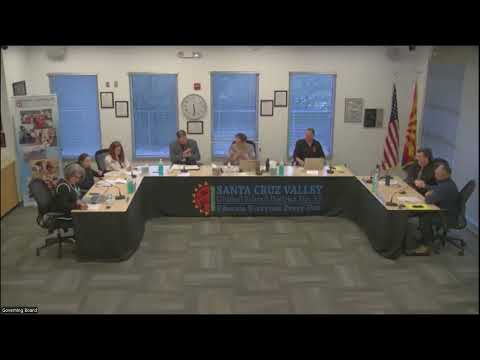
Greta, principal of CTMS, told the Santa Cruz Valley Unified District governing board that the school received a C letter grade this reporting cycle and outlined specific targets and interventions to restore prior performance levels. "The letter grade that we received was a C," she said, noting the school’s total points fell 22.31 points from the previous year.
Why it matters: Letter grades and the underlying proficiency and growth metrics affect state reporting, school support priorities and local accountability. CTMS’s decline prompted the principal to present a concrete plan of instruction, interventions and family engagement aimed at reversing the drop.
What the principal presented: Greta gave a numeric breakdown of CTMS performance and set measurable improvement goals. She said the school will: increase overall proficiency by a minimum of 4 points (moving the proficiency metric from 12.73), raise the growth score from 40.6 to at least 47.6, improve English-learner (EL) instruction to gain 4–6 points, and prioritize acceleration efforts to push the acceleration-readiness score toward a minimum of 8 points. On attendance, she set a target to exceed a 95% benchmark and said the school would expand incentives and family communication to support that goal.
Greta also described classroom- and campus-level strategies: a four-week rotation for targeted "cab hour" instruction, expanded small-group instruction and an emphasis on eighth-grade math, where the school saw the greatest weakness. She said interim MAP test data show positive short-term gains in math (for example, sixth-grade projected proficiency rose in current MAP data compared with AASA outcomes), and the school will use MAP and other interim assessments to target interventions.
Discipline and student support: The principal presented discipline data showing a decline in logged incidents compared with the prior year, citing a reduction from 348 discipline logs last year to 127 this year and describing a focus on re-entry conversations after suspensions and improved parent contact and documentation.
Board reaction and next steps: Board members praised the presentation and asked questions about causes (including teacher shortages and use of external providers). Superintendent Verdugo and board members emphasized teacher recruitment and "grow our own" pathways. The school’s improvement plan will be monitored by administration and returned to the board for updates.
The presentation did not require board action; the district will track progress and return with further reports.