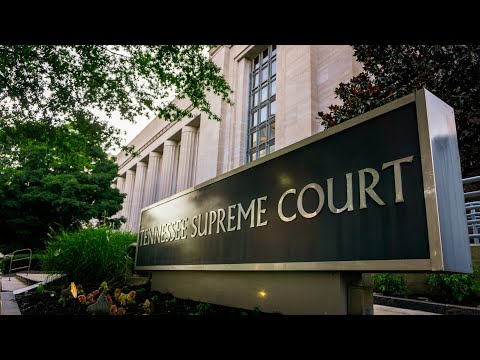
Tennessee Supreme Court weighs whether statute of repose bars claims over long-running sprinkler inspections
Loading...
Summary
At oral argument, justices heard competing views on whether a state statute of repose shields an installer from claims that later inspections and maintenance were negligent, despite an installation alleged to have occurred in 1992.
The Tennessee Supreme Court heard arguments on whether a state statute of repose bars claims against a sprinkler-company defendant for alleged defects and later negligent inspections at Campus Chalet, where the installation is pleaded to have occurred in 1992.
Plaintiff counsel Jonathan Masters told the court, "The statute of repose does not apply here," arguing the complaint centers on East Tennessee Sprinkler's ongoing failures "to properly inspect, test, maintain, and repair the system during its annual inspections, all of which occurred after the initial installation." Masters urged the court to affirm the court of appeals and remand the case for discovery.
Defense counsel responded that, as pleaded, the complaint identifies East Tennessee Sprinkler as the installer and cites the 1992 installation date; based on those allegations, the defense argued, "it is that person... protected or receive the benefit of the statute of repose," and the face of the complaint makes the repose defense apparent. Defense counsel noted the complaint does not attach contracts, invoices, or inspection reports and pressed that the absence of those documents under Tenn. R. Civ. P. 10.03 undermines the plaintiff's theory.
Several justices pressed both sides over the proper standard at the motion-to-dismiss stage. One justice asked whether the Red Wing burden-shifting framework (developed in the statute-of-limitations context) should apply when a statute-of-repose defense is apparent from the complaint; plaintiff's counsel said the framework is appropriate and that reasonable inferences from the complaint can support a later-occurring defect or separate duties arising from repeated inspections. Defense counsel countered that the complaint's factual allegations (including the description of a "dry system" and an allegation of "improper sloping") reasonably support an inference that the alleged defect dates to the installation.
Counsel for the plaintiff stressed that factual disputes about when the sloping occurred and whether inspections should have discovered it are matters for discovery and experts, not for dismissal on the pleadings. Defense counsel argued the statute of repose is an affirmative defense that may be apparent from the face of the complaint and asked the court to reverse the court of appeals and affirm the award of attorney's fees entered below.
The court recessed for a short break after arguments concluded; no ruling was announced from the bench. If the court issues an opinion, it could clarify whether claims tied to repeated inspections and maintenance can survive a motion to dismiss when the complaint also pleads an early installation date.