Douglas County to replace HSC lottery with weekly prioritization and add move‑in assistance
Loading...
Summary
County staff proposed changing the Housing Stabilization Collaborative (HSC) to a weekly prioritization tool that targets households most at risk of homelessness, requires some demonstrated income for emergency assistance, and creates a limited move‑in assistance option to place households into sustainable housing.
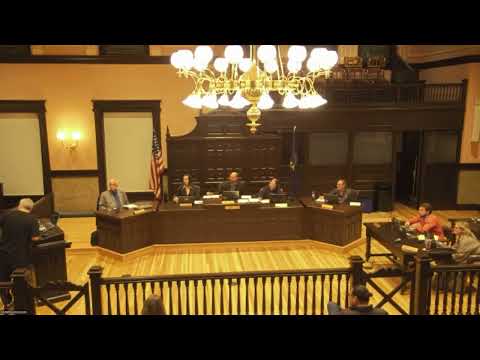
Douglas County staff told commissioners they plan to redesign the Housing Stabilization Collaborative (HSC) program in 2026: replace the monthly lottery with a weekly prioritization tool, require demonstrable income (not zero) for emergency assistance, and add a limited move‑in assistance option to place vulnerable households into more sustainable housing.
Jill (staff) described the collaborative as a consensus‑based coalition of local agencies — including the Ballard Center, Catholic Charities and Salvation Army — that allocates limited rent and utility assistance. Krista Meagan, housing and human services program manager, said the current lottery forces applicants to enter crisis (an eviction notice or disconnected utility) and then wait; the new approach would prioritize applicants who evidence higher risk of becoming homeless and make weekly funding decisions.
Krista said the proposed emergency assistance will require that a household have enough income to sustain the rent going forward; households whose rent exceeds sustainable income may be routed to a new, limited move‑in assistance program that would cover first month’s rent and deposit and connect applicants to housing navigation resources. “We want to target households that can sustain their rent going forward,” Krista said, explaining the prioritization tool will score vulnerability factors such as household composition, income type and recent shocks (medical emergency, temporary loss of income).
Staff described operational changes: weekly reviews of prioritized applications, routing by household type to partner agencies (Family Promise, Ballard Center, Senior Resource Center, Salvation Army), and improved referral pathways to existing funding streams (KDADS supportive housing funds, Medicaid‑linked supports such as Healthy Blue). Krista said IT staff have built application questions and a workflow to support the prioritization tool; the staff aim to launch the revised process in February.
Commissioners asked about data collection and outcomes. Krista said existing follow‑up calls and coordinated entry system participation provide partial outcome data; staff plan to add metrics to track whether assistance prevents homelessness and what share of eligible applicants are funded. Krista said HSC currently funds about 10% of applicants and that the goal is to target the limited dollars to the most at‑risk households more effectively.
Public comment raised concern for seniors who face large medical bills and other shocks; staff said seniors and fixed‑income residents will be represented in the prioritization tool scoring so they are not excluded.
Next steps: implement the new application fields and prioritization questions, begin weekly review and funding, and report back to the commission on funding percentages, outcomes and any needed adjustments to the prioritization tool.